How to Refill Watercolor Pans (Step-by-Step)
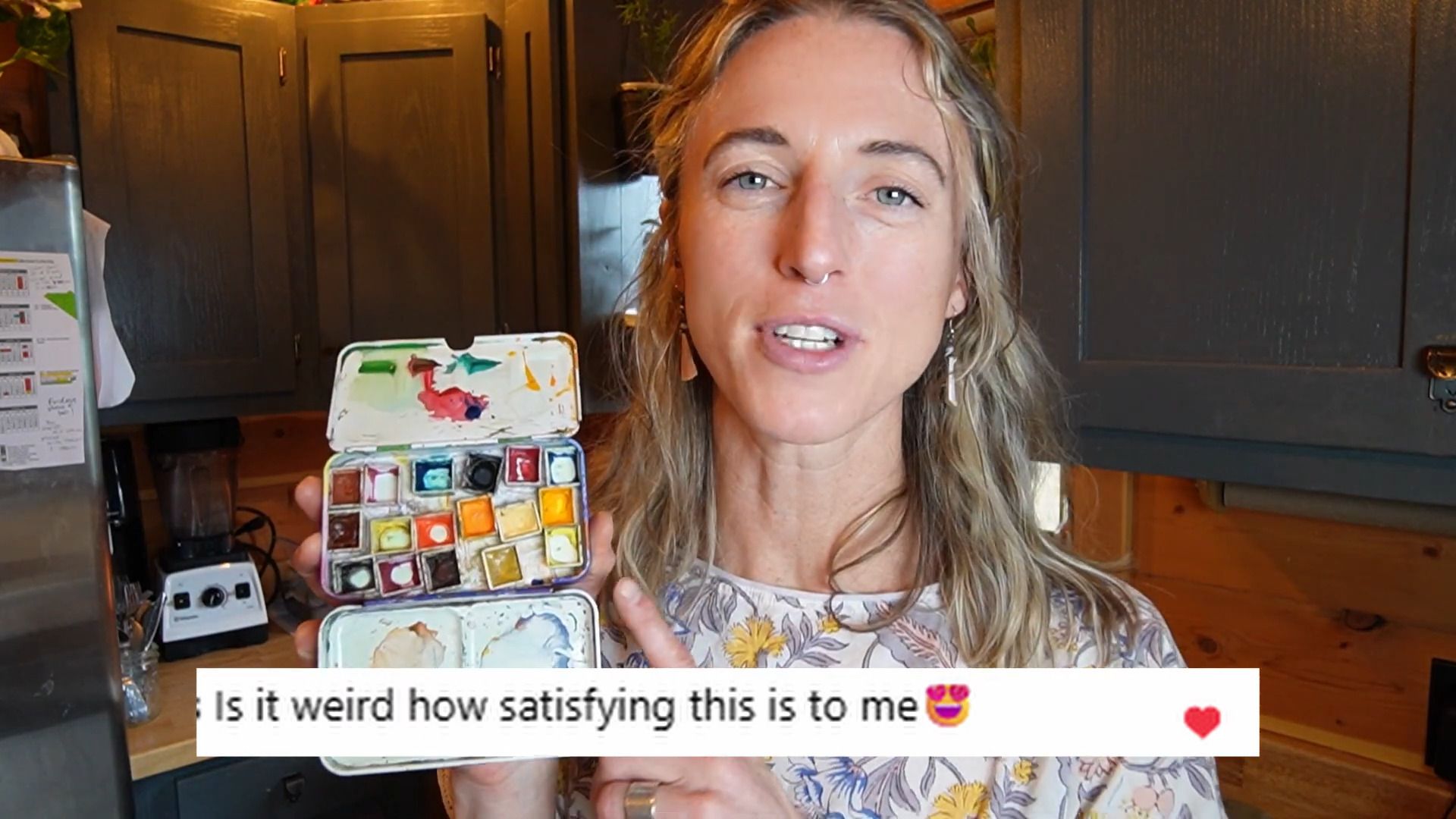
There's something incredibly satisfying about opening a watercolor palette filled with freshly cleaned and refilled pans. Not only does it look better, but it also makes painting feel more enjoyable.
If you've been wondering how to refill your watercolor pans from tubes, or whether it's even worth doing, the good news is that it's much easier than you might think.
Refilling pans is a simple way to save money, reduce waste, and customize your palette with the colors you actually use. Even better, it gives you an opportunity to clean away old, muddy paint so every painting session starts with fresh, vibrant color.
In this guide, we'll walk through the process step by step, along with a few helpful tips that can make your watercolor palette last for years.
Prefer to watch? Check out the full video below!
Why Refill Watercolor Pans Instead of Buying New Ones?
Many watercolor artists assume they need to replace entire pans once they're empty. In reality, most artists simply refill them using watercolor tubes. Since artist-grade tubes and pans are often made from the same paint, refilling is both economical and practical.
It also allows you to:
- Reuse your favorite palette.
- Replace only the colors you've actually used.
- Experiment with different pigments.
- Keep your painting kit lightweight and organized.
If you already enjoy painting with pans, refilling them from tubes gives you the best of both worlds.
The Refilling Process
Step 1: Clean Your Palette Thoroughly
Before adding fresh paint, start with a clean palette. This is one step many artists skip because they don't want to "waste" leftover paint.
But old paint mixed with dried residue, dirt, or accidental color contamination often creates muddy mixtures before you even begin painting. If you want clean, vibrant colors, your palette needs to start clean too.
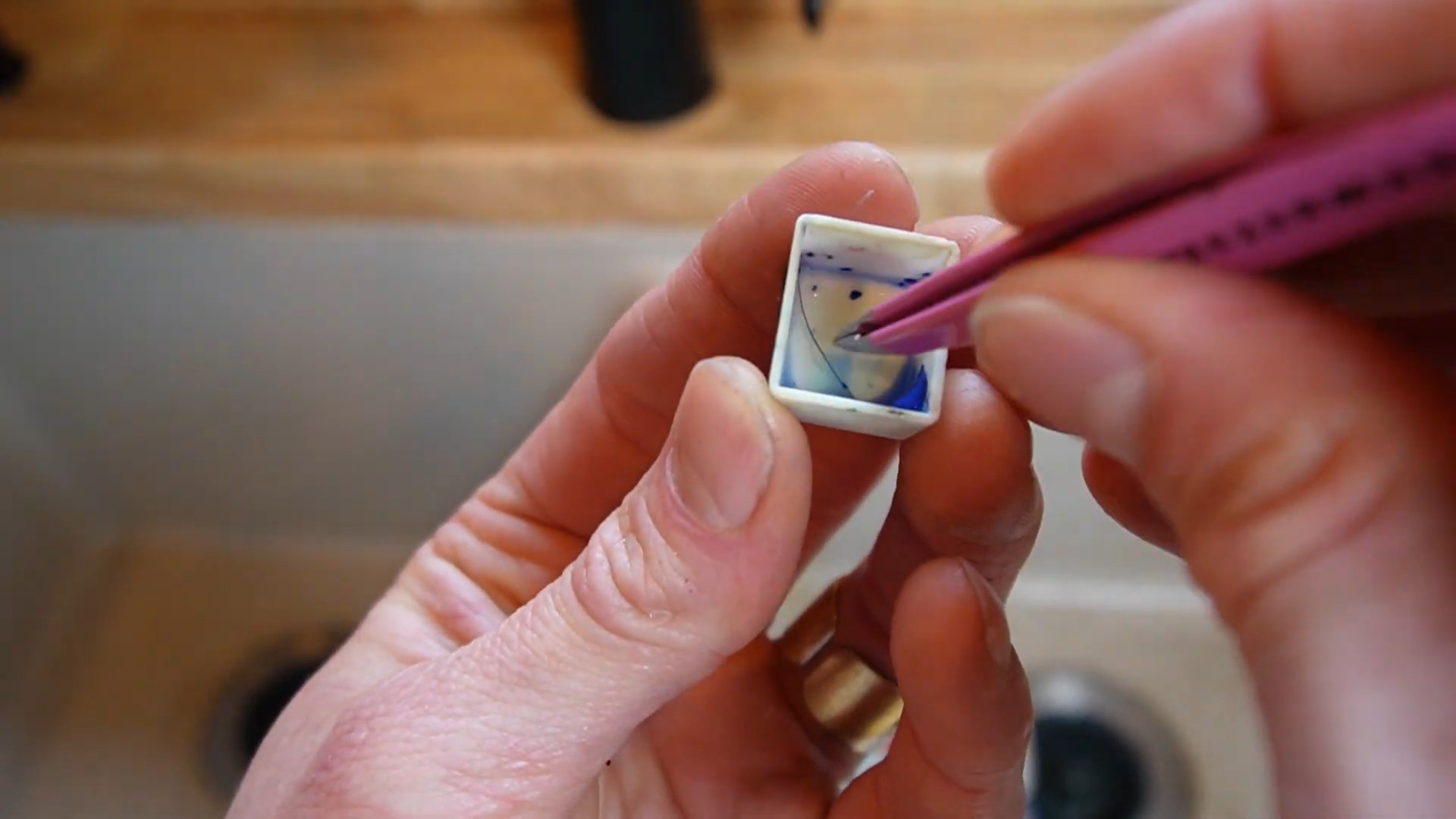
Remove each pan from your palette, wash away dried paint buildup, clean the mixing wells, and wipe away any debris hiding in the corners.
If you regularly paint outdoors, don't be surprised if you find dust, grass, or even the occasional pet hair tucked into your palette. A few minutes of cleaning can make a noticeable difference in your next painting session.
Step 2: Let Everything Dry
Once everything has been cleaned, allow both the palette and the empty pans to dry completely. This helps the fresh paint adhere properly and prevents excess moisture from affecting the curing process.
Many artists simply place the pans upside down on a towel or cloth while they dry. It's a small step, but it helps ensure the new paint settles evenly.
Step 3: Keep Your Paints Labeled
If you're still learning your pigments, don't remove your labels. Permanent marker labels on the side of your pans make it much easier to remember which color is which.
As your understanding of pigments grows, you'll rely on the labels less. But while you're building that confidence, there's no reason to make color selection harder than it needs to be.
Learning your pigments is one of the fastest ways to become a more confident watercolor artist.
Step 4: Refill the Pans with Tube Paint
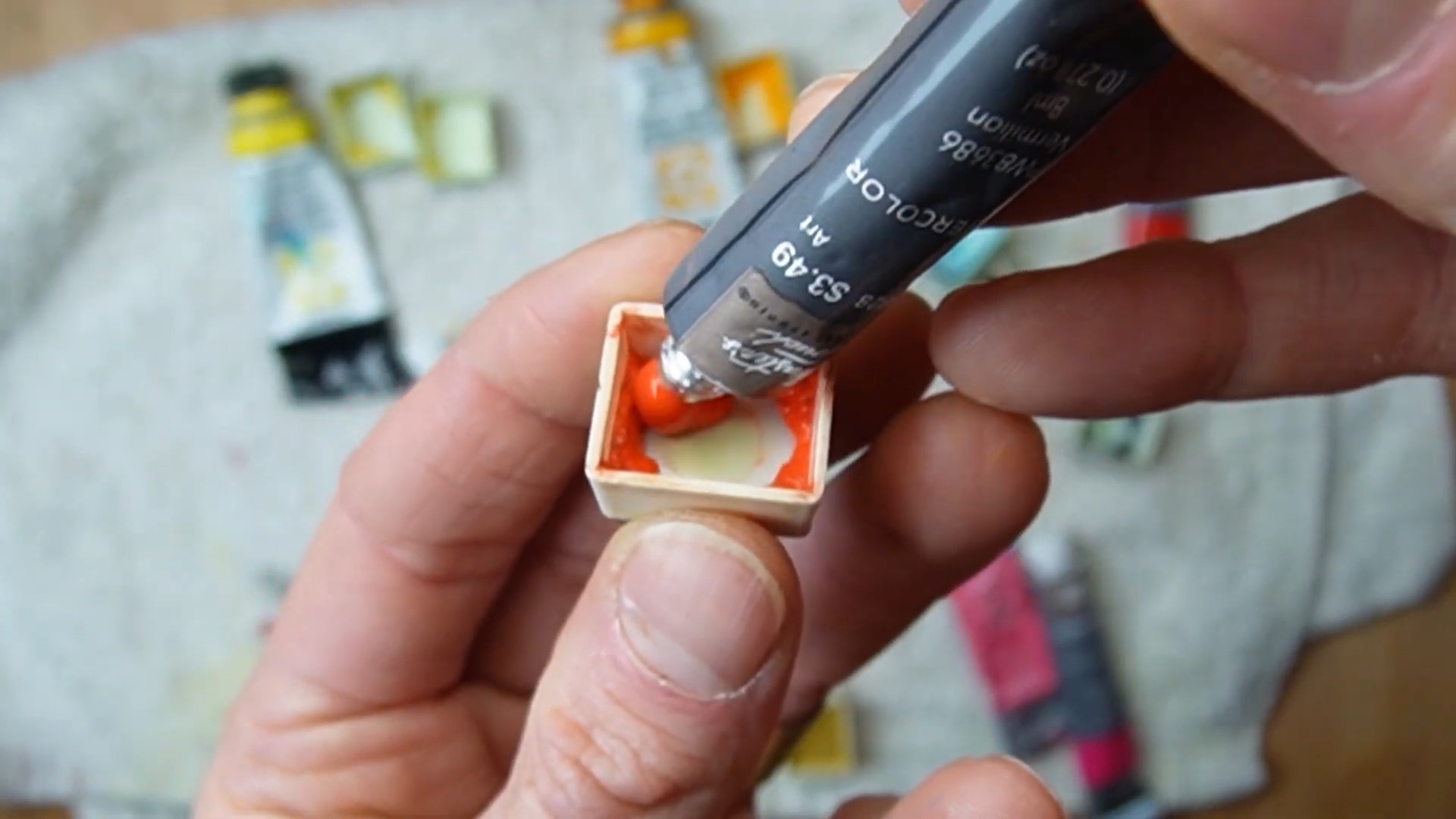
Once your pans are clean and dry, it's time for the satisfying part. Squeeze fresh paint directly into each pan.
Try to work the paint into the corners so there aren't large air pockets, and aim to create a smooth, level surface without overflowing the pan.
Don't worry if the paint isn't perfectly flat. As it dries, it will naturally settle.
Some artists worry that refilled pans will crack. With standard half pans, this usually isn't a major issue. Small surface changes are completely normal and rarely affect how the paint performs.
Can You Replace a Color with a Different Pigment?
Absolutely. In fact, many experienced artists do exactly that.
Let's say you've used up a warm red but no longer own that exact pigment. If you understand the role that color played in your palette, you can often replace it with another warm red that mixes in a similar way. This is one of the benefits of understanding your pigments rather than memorizing specific paint names.
Over time, your palette naturally evolves as your preferences and painting style develop.
How Long Does It Take for Watercolor Pans to Dry?
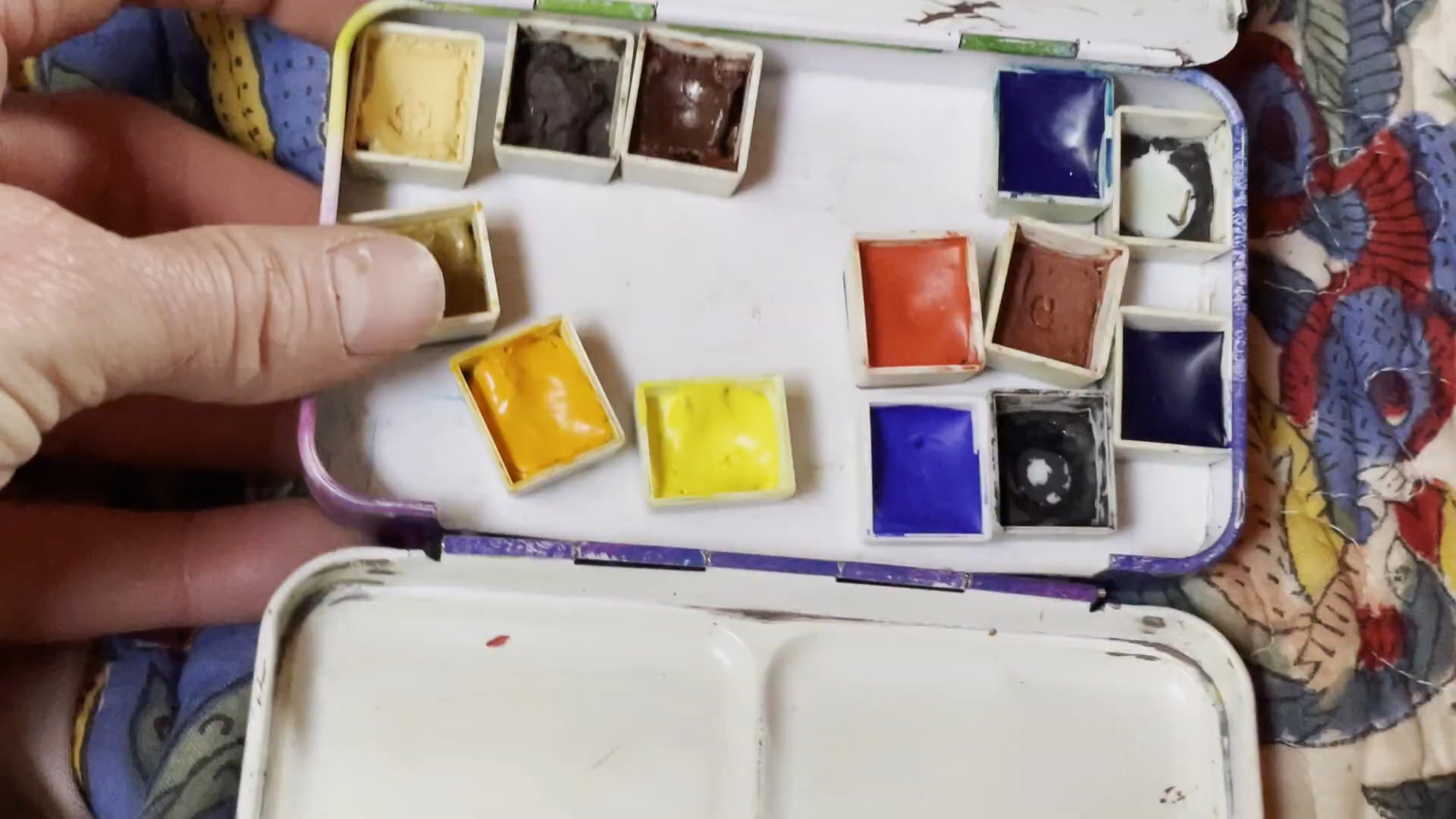
Freshly filled pans don't dry overnight. Depending on the paint, humidity, and the depth of the pan, curing can take several days.
The surface may appear dry long before the paint has fully hardened. Resist the temptation to use them immediately.
Giving the paint enough time to cure helps it perform more consistently when you reactivate it later. Patience pays off.
Does Paint Quality Matter?
One interesting thing you'll notice when refilling pans is that not all paints dry the same way. Higher-quality artist paints usually cure evenly and remain securely attached to the pan.
Less expensive paints may shrink more dramatically as they dry. Sometimes they pull away from the edges, or develop larger gaps or uneven surfaces.
That doesn't necessarily make them unusable. For sketchbooks, practice sessions, or experimentation, they may still perform perfectly well. But if you're investing in paints you'll use for years, artist-grade pigments are generally worth it.
A Few Tips for Better Results
As you refill your palette, keep these simple tips in mind:
- Clean your palette before every refill.
- Label your pans while you're still learning your pigments.
- Fill the corners of each pan evenly.
- Allow plenty of time for the paint to cure.
- Don't be afraid to slowly evolve your palette as you discover new favorite pigments.
Small habits like these make maintaining your watercolor supplies much easier over time.
Just Getting Started with Watercolor?
Refilling pans is only one part of building a watercolor setup you'll enjoy using. Many beginners accidentally spend money on supplies they don't need or buy colors that don't fit the way they want to paint.
That's why I created my Free Watercolor Startup Guide. Inside, you'll learn which supplies are actually worth buying, how to build a practical watercolor kit, and how to avoid common beginner mistakes that can slow your progress.
If you're building your first palette, or refining the one you already have, it's a great place to start.
👉 Get the Free Watercolor Startup Guide
Clean Pans Make Painting Easier
Cleaning and refilling your watercolor pans might not be the most glamorous part of painting. But it can be one of the most rewarding.
A clean palette gives you room to mix fresh colors. Fresh pans reduce wasted paint. And taking the time to maintain your supplies makes it easier to sit down and paint without unnecessary frustration.
The goal isn't to keep your palette looking perfect. The goal is to create a painting setup that makes you excited to paint again and again.
Sometimes, something as simple as fresh paint in a clean pan is all the motivation you need.