Watercolor Tubes vs Pans: Which Is Better?
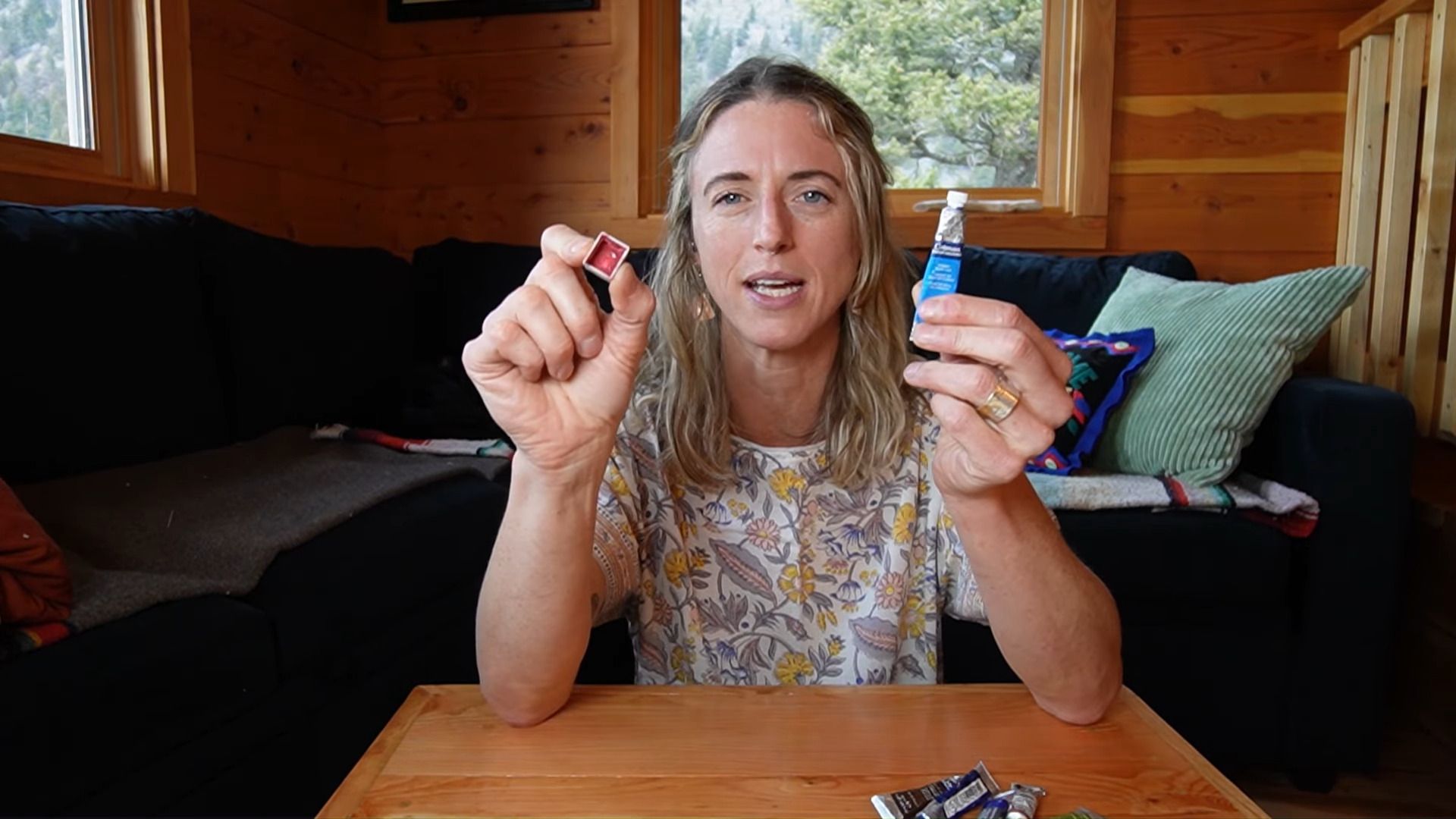
If you're getting started with watercolor, you've probably run into the same question every beginner eventually asks: should I buy watercolor tubes or watercolor pans?
At first glance, they seem completely different. Tubes contain soft, creamy paint that you squeeze onto a palette. Pans contain dried watercolor paint that needs to be activated with water before use. Many artists assume one must be better than the other.
The reality is a little more interesting. Tubes and pans are often made from the exact same paint. The biggest difference isn't quality, it's convenience, workflow, and how you like to paint.
So if you've been wondering which option is right for you, let's break down the pros, cons, and practical differences between watercolor tubes and pans.
Prefer to watch? Check out the full video below!
What's the Difference Between Watercolor Tubes and Pans?
The main difference between watercolor tubes and pans is moisture content. Watercolor tubes contain wet paint, filled with pigment and binder in a soft, ready-to-use form. Watercolor pans contain the same paint after it has dried and cured.
Think of a pan as dried watercolor paint that simply needs water to bring it back to life. That's why many watercolor artists spray their palettes before they begin painting. They're reactivating the paint.
If you've ever struggled to pick up enough pigment from a pan, try adding a little water and letting it sit for a minute before painting. You might be surprised by how much richer the color becomes.
One important thing beginners often don't realize is that artist-grade tubes and artist-grade pans are usually the same formula. You're not necessarily buying a better paint when you choose tubes. You're simply choosing a different format.
The Advantages of Watercolor Pans
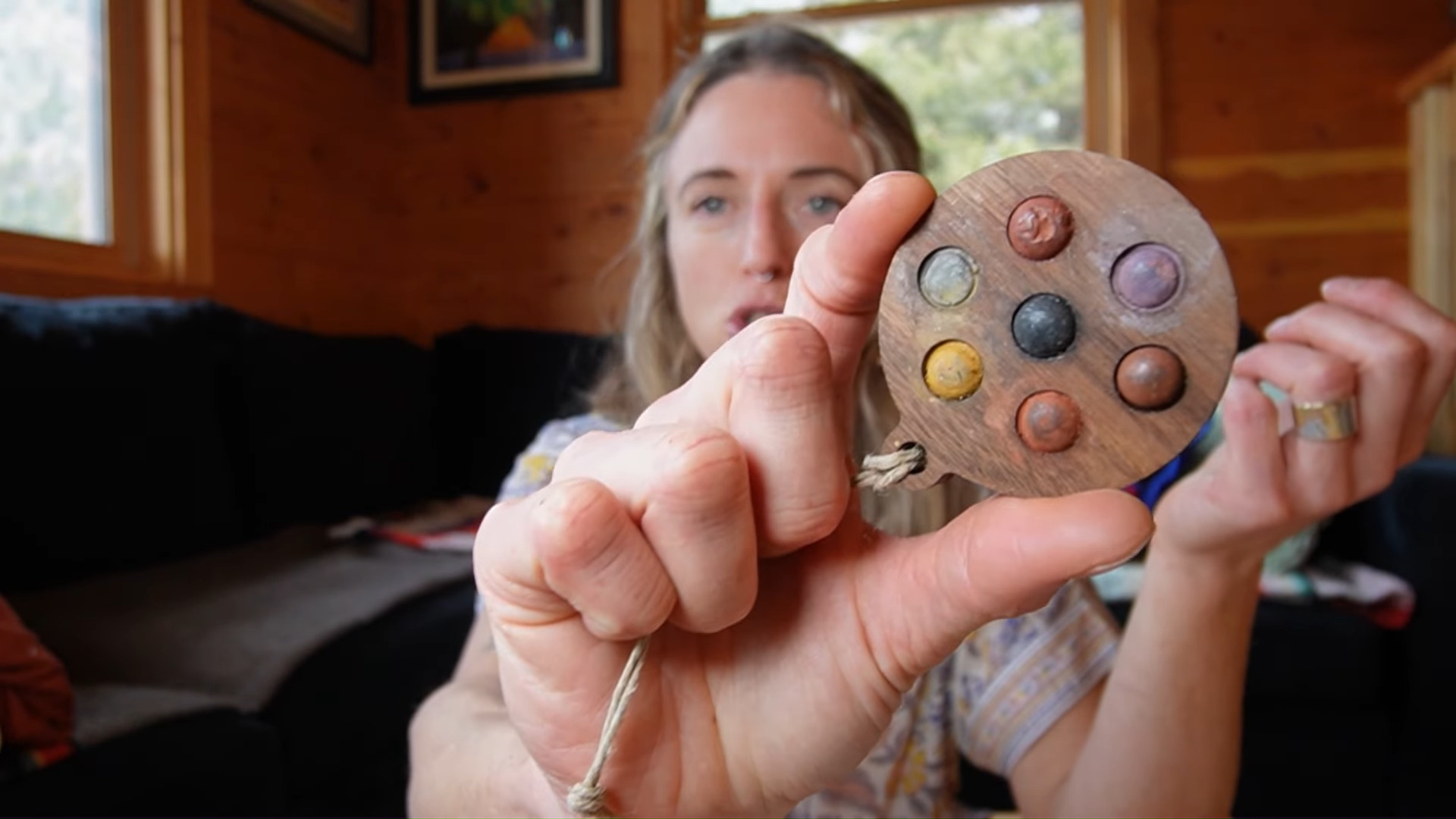
For many watercolor artists, pans are the most convenient option. They're compact, portable, easy to organize, and incredibly simple to use.
Many watercolor painters love pans because everything is visible at a glance. Open your palette and every color is right in front of you. There's no squeezing paint, no searching through tubes, and no wondering which color is hidden under a pile of supplies.
For artists who enjoy sketching outdoors, travel painting, urban sketching, or keeping a watercolor journal, pans are especially useful. Small half-pan palettes can fit into a pocket, backpack, or travel kit with ease. Some palettes even use magnets to hold the pans securely in place, making them ideal for painting on the go.
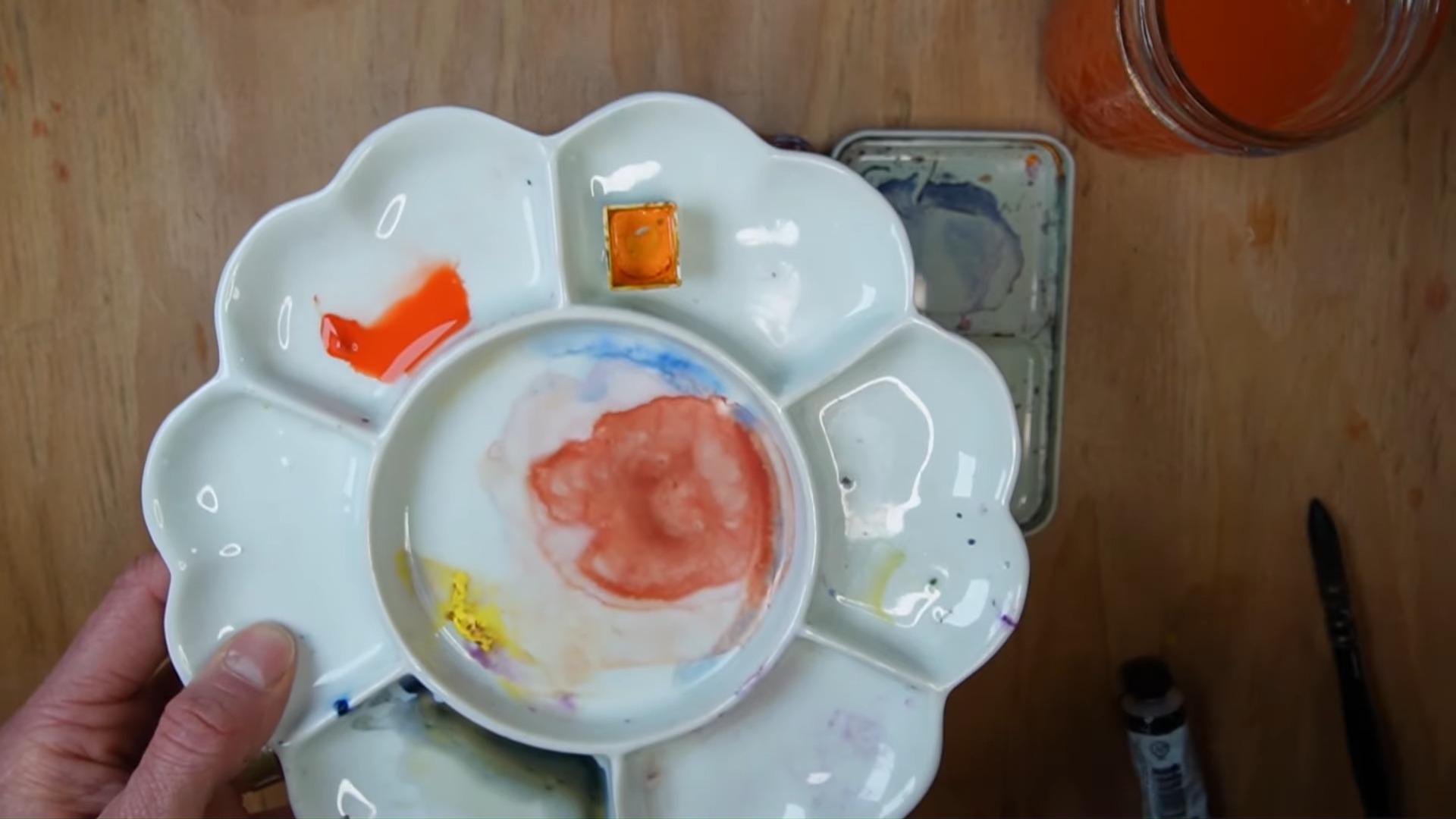
Another major advantage is paint efficiency. Because the paint stays in the pan after drying, very little is wasted, and you simply reactivate what you need.
For artists who dislike throwing away unused paint, this can be a significant benefit.
And perhaps most importantly, pans reduce friction. The easier it is to start painting, the more likely you are to paint regularly. Sometimes the best art supply isn't the one with the most features. It's the one that helps you actually create.
Are There Any Downsides to Watercolor Pans?
There are very few downsides to pans, but there are a few considerations. The biggest limitation is scale.
If you're creating large paintings and need a lot of pigment quickly, small pans can sometimes feel restrictive. Because you're picking up paint from a small surface area, it may take longer to mix large puddles of color.
This isn't usually a problem for sketchbooks, journals, or medium-sized paintings. But for large studio work, some artists find tubes more efficient. That said, many watercolor artists happily use pans for years without feeling limited. It often comes down to personal preference.
The Advantages of Watercolor Tubes
Tubes shine when you need a lot of paint. Because the paint is already moist, you can squeeze out generous amounts immediately. This makes tubes particularly useful for:
- Large paintings
- Studio work
- Background washes
- High-volume color mixing
Fresh tube paint can feel luxurious to work with. The creamy consistency makes it easy to mix large, rich puddles of color. Many artists love the tactile experience of squeezing out fresh paint before beginning a painting session. For some painters, it's simply part of the creative ritual.
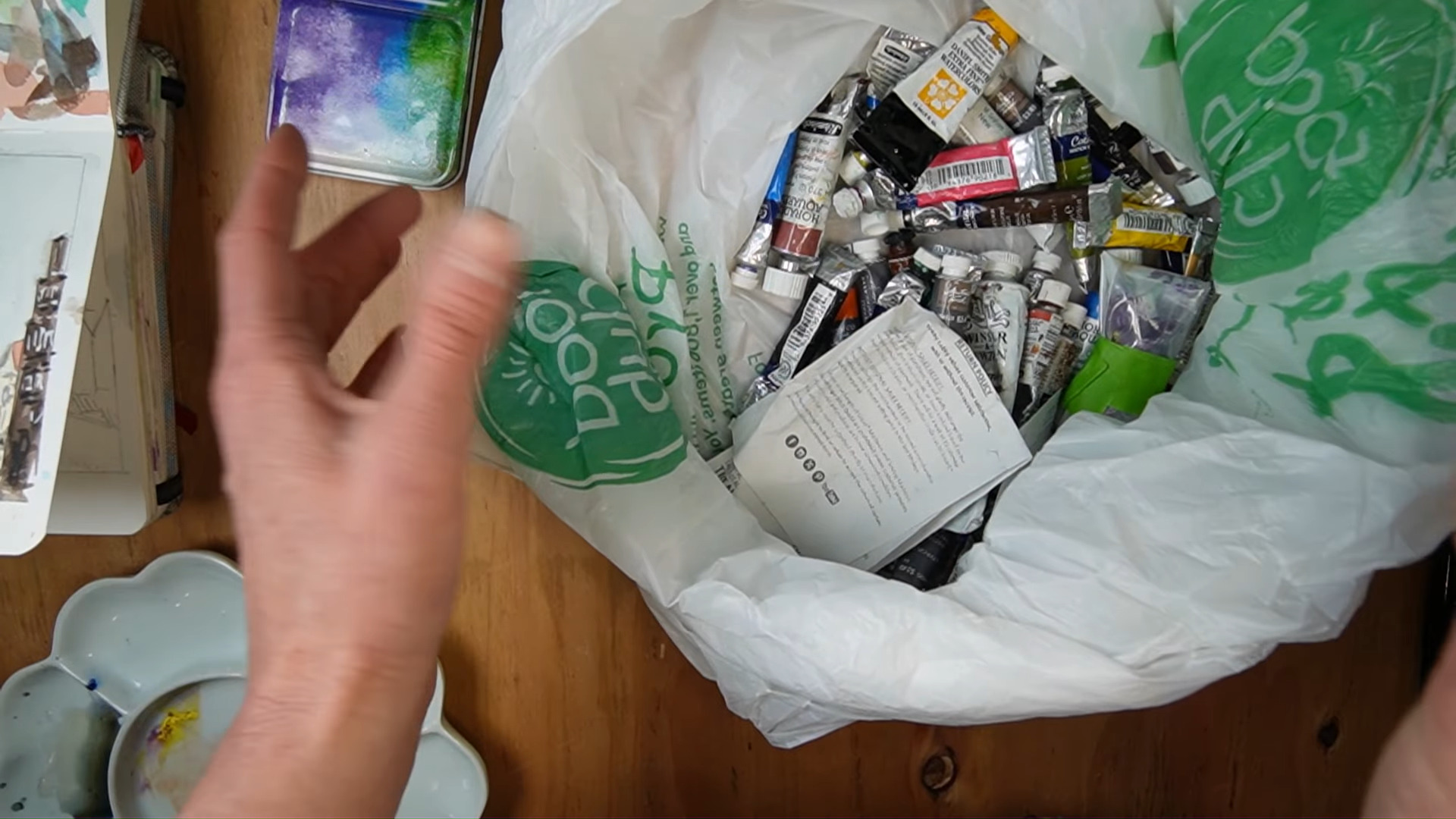
Another advantage is flexibility. You can use tubes directly, or use them to refill empty pans. In fact, many artists do exactly that. They enjoy the convenience of pans while purchasing tube paint for refills. This often provides the best of both worlds.
The Downsides of Watercolor Tubes
While tubes offer plenty of benefits, they can also be frustrating. Anyone who has worked with watercolor tubes for a while has probably encountered at least one of these issues:
- Crusty caps
- Paint drying inside the nozzle
- Split tubes
- Leaking paint
- Binder separation
- Paint waste
Tubes require a little more maintenance and organization than pans. And unlike pans, squeezed-out paint can sometimes go unused if you're not careful.
Storage can also become an issue. A handful of tubes isn't difficult to manage, but as your collection grows, finding the color you need can become surprisingly annoying. Many artists eventually discover that they spend more time organizing paint than actually painting. That's one reason so many experienced watercolor artists eventually settle into a pan-based workflow.
How to Choose What's Right for You
The good news is that you don't have to choose one forever. Many artists use both, and in fact, that's often the most practical solution.
Ask yourself a few simple questions:
- Do you mostly paint at home or on the go?
- Do you work small or large?
- Do you enjoy having everything organized and visible, or do you prefer squeezing out fresh paint for each session?
If you travel frequently, paint outdoors, or keep a sketchbook practice, pans are often the easiest choice. If you create large paintings in a studio environment, tubes may make more sense. And if you're like many watercolor artists, you may eventually discover a hybrid system that combines both.
Not Sure What Watercolor Supplies You Actually Need?
One of the biggest mistakes beginners make isn't choosing the wrong paint format. It's buying supplies without understanding how they'll actually use them.
Many artists end up with pre-selected sets full of colors they don't need, duplicate pigments, or supplies that spend more time sitting in a drawer than being used.
That's why I created my Free Watercolor Startup Guide. Inside, you'll learn what supplies actually matter, how to avoid common beginner mistakes, and how to build a watercolor setup that supports your painting goals.
If you're just getting started, or want to simplify your current setup, it's a great place to begin.
👉 Get the Free Watercolor Startup Guide
Why the Best Watercolor Setup Is the One You'll Actually Use
When artists ask whether tubes or pans are better, they're often looking for a definitive answer. But watercolor doesn't really work that way.
The best setup isn't necessarily the most expensive, the most professional, or even the most popular.
The best setup is the one that removes barriers between you and painting. If a compact pan palette helps you paint more often, that's probably the right choice. If fresh tube paint makes your studio sessions more enjoyable, that's probably the right choice.
At the end of the day, your supplies exist to support your creative practice. Not the other way around.
The goal isn't to own the perfect watercolor setup. The goal is to paint. And whichever option helps you do that more consistently is the one worth choosing.