What Is Color Bias in Watercolor? (And Why It Causes Muddy Colors)
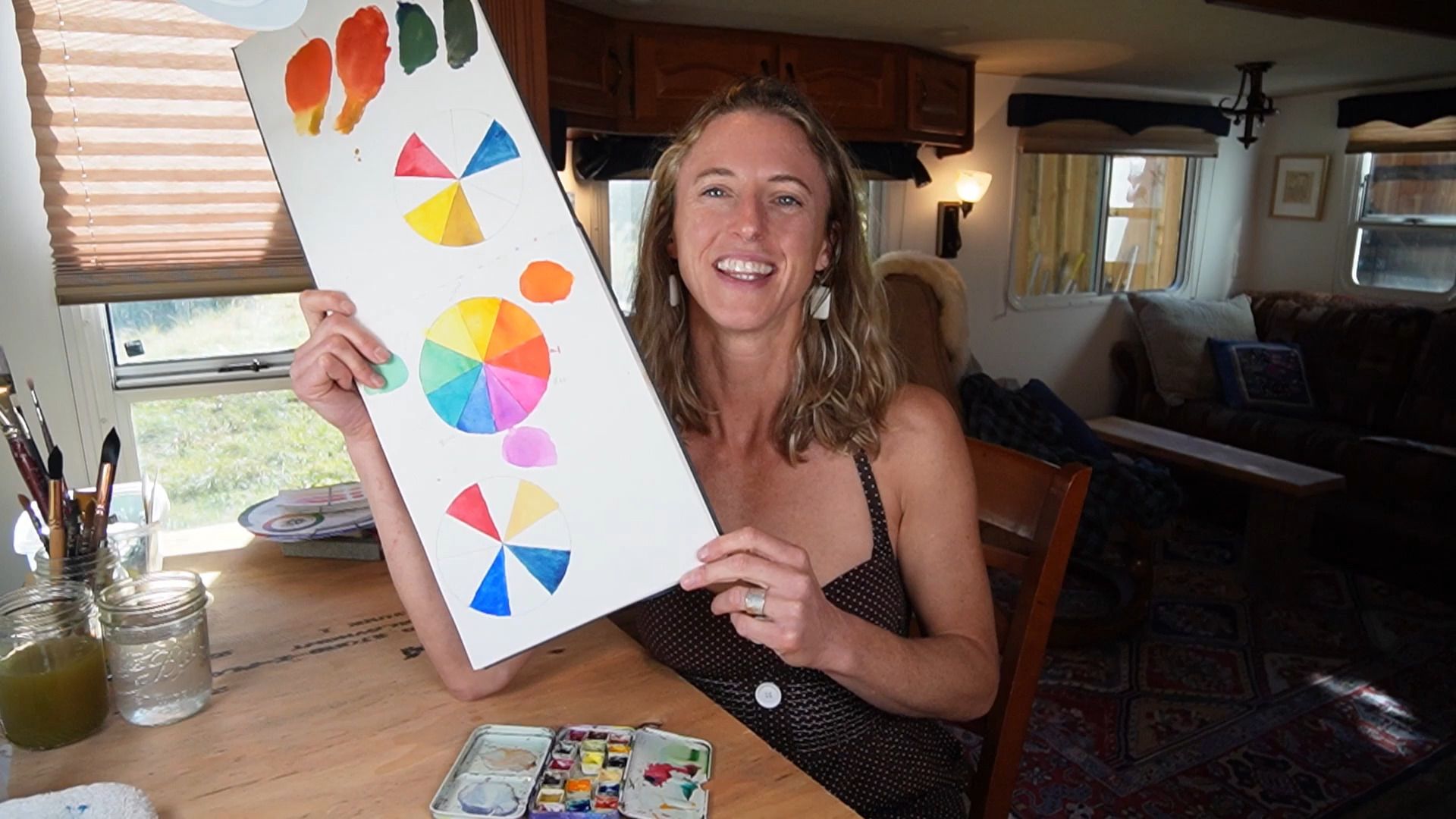
Have you ever watched two artists use seemingly similar colors and end up with completely different results?
One creates vibrant, glowing mixtures that seem to sparkle on the page. The other ends up with dull, muted colors that feel disappointing and lifeless. It can feel like some artists have a natural gift for color mixing while the rest of us are left guessing.
But that's rarely what's happening. More often than not, the difference comes down to understanding a simple color theory concept that many artists are never taught: color bias.
Once you understand color bias, color mixing stops feeling random. You begin to understand why certain colors work beautifully together, why others create muted results, and how to make more intentional decisions with the paints you already own. And perhaps most importantly, you'll finally understand why your colors sometimes become muddy.
Prefer to watch? Check out the full video below!
Why Color Mixing Often Feels Random
Many watercolor artists learn that there are three primary colors: red, yellow, and blue. From there, we're taught that mixing those primaries creates secondary colors like green, orange, and purple.
While that's true, it's also incomplete. This simplified version of color theory leaves out one critical piece of information.
Not all reds are the same. Not all yellows are the same. And not all blues are the same. In fact, every primary color has its own personality and tendency. This tendency is what we call color bias.
Without understanding color bias, color mixing can feel frustratingly unpredictable. You might use the exact same recipe another artist recommends and still end up with completely different results. That's because the pigments themselves matter.
What Is Color Bias?
Color bias refers to the direction a color naturally leans on the color wheel. Every primary color tends to lean toward one of its neighboring colors. For example:
- Some reds lean toward yellow, while others lean toward blue.
- Some blues lean toward green, while others lean toward purple.
- Some yellows lean toward orange, while others lean toward green.
These subtle differences may not seem important at first, but they dramatically affect how colors mix together. Once you start recognizing color bias, you'll begin seeing your palette in an entirely new way.
Warm and Cool Primaries Explained
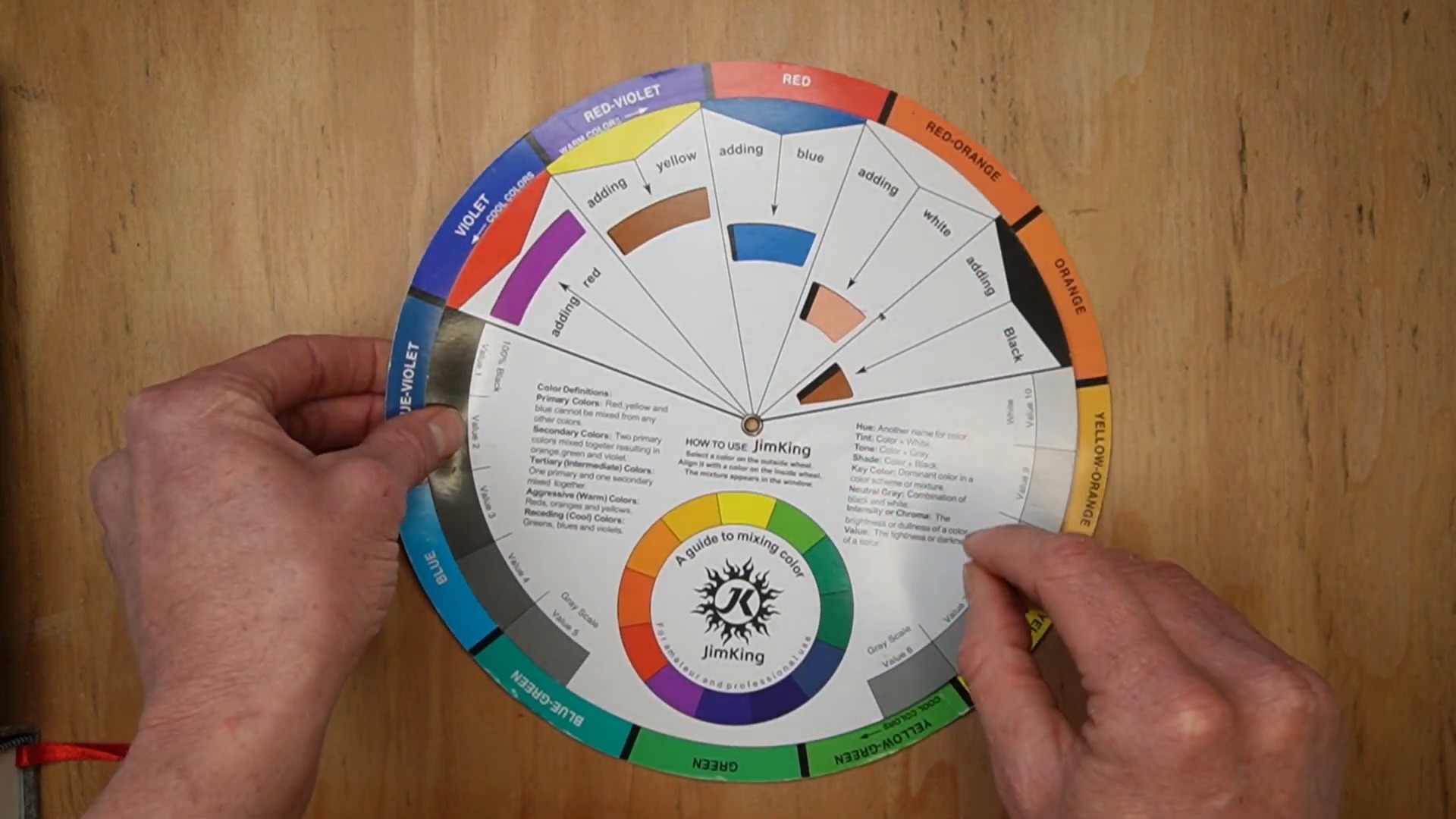
You may have heard artists talk about warm and cool colors. Usually this refers to broad color families. Warm colors include reds, oranges, and yellows. Cool colors include blues, greens, and purples.
But color bias takes the idea one step further. Each primary color can also be warm or cool on its own.
A warm red leans toward yellow. Because yellow and red create orange, a warm red often appears slightly orange-red. A cool red leans toward blue. Because blue and red create purple, a cool red often appears slightly violet-red.
The same principle applies to blues and yellows. This is why two paints that both look "red" can behave very differently when mixed.
Why Some Color Mixtures Glow and Others Look Dull
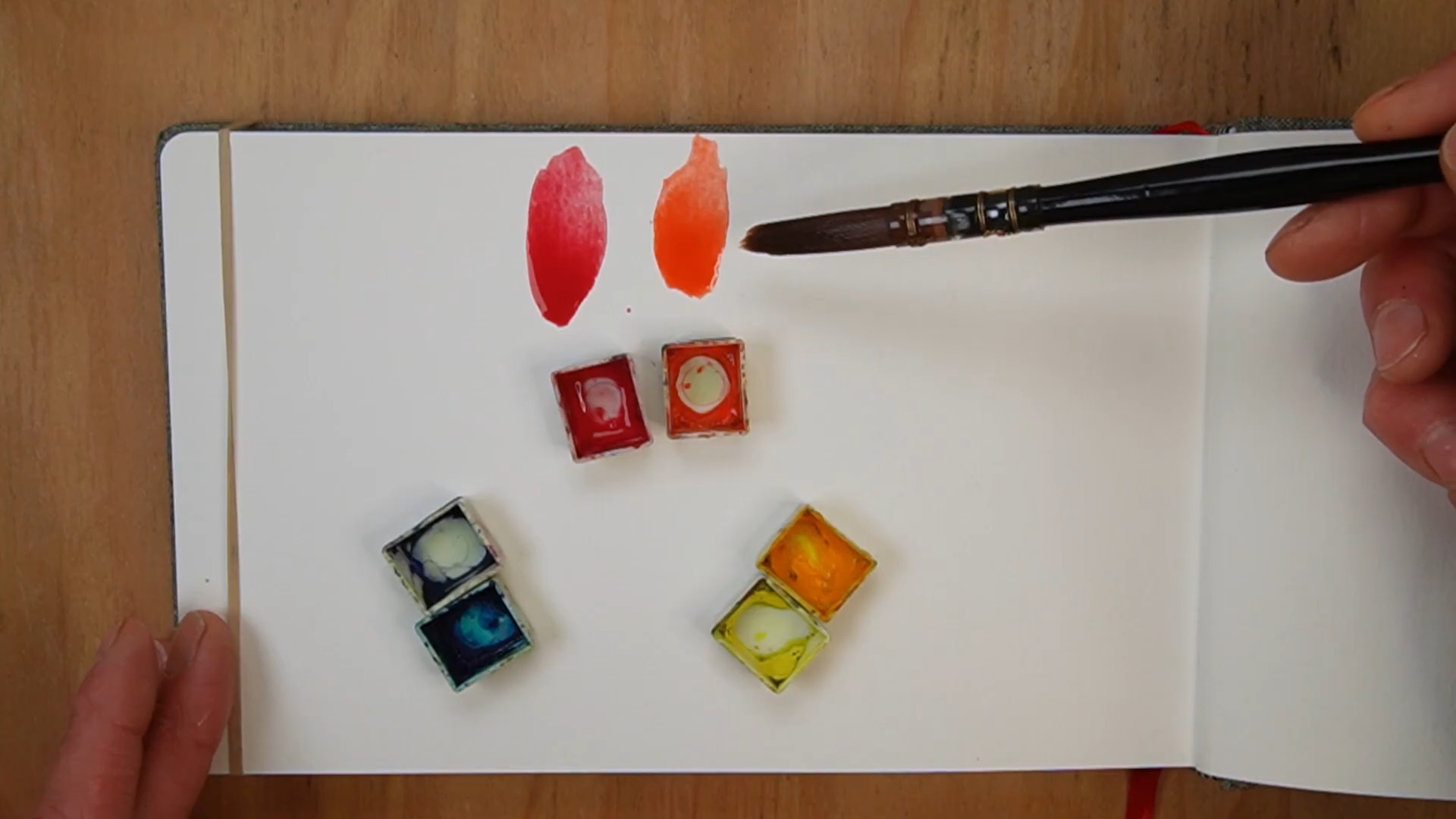
This is where color bias becomes incredibly useful. Imagine you want to mix a vibrant purple. You could choose a cool red that leans toward blue, and a blue that leans toward red.
Both colors are naturally moving toward purple. They're working together. As a result, you'll often get a bright, vibrant mixture.
Now imagine choosing a warm red that leans toward orange, and a blue that leans toward green. Neither color is moving toward purple. They're pulling away from each other. The resulting mixture will often appear much duller.
This doesn't mean the color is bad. It simply means the pigments are interacting differently. Understanding this relationship is one of the biggest breakthroughs artists experience in color mixing.
Why Color Bias Creates Muddy Colors
One of the biggest misconceptions about muddy colors is that they happen randomly. They usually don't. There's almost always a reason.
The answer lies in complementary colors, which sit opposite each other on the color wheel:
- Red and green
- Blue and orange
- Yellow and purple
When complementary colors mix together, they neutralize each other. This neutralization creates softer, duller, and more muted colors.
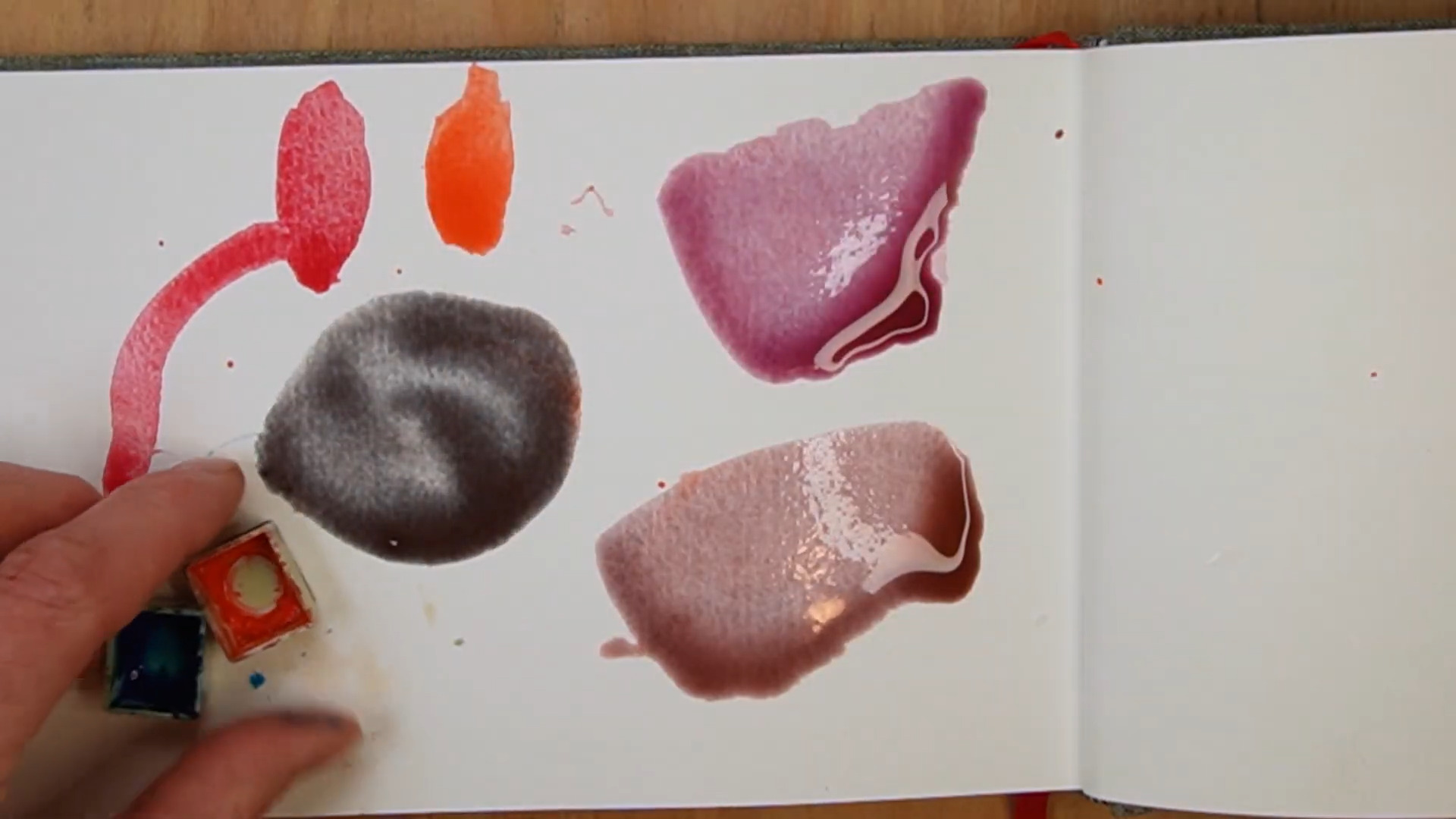
For example, a blue that leans green contains a small amount of green influence. Green is complementary to red, so when that blue is mixed with red, some of the red becomes neutralized. Likewise, a warm red that leans orange introduces a small amount of orange into the mixture. Orange is complementary to blue, so part of the blue becomes neutralized as well.
The result is a more muted mixture. This is why some color combinations create glowing secondary colors while others produce softer, more subdued versions.
The Surprising Truth About Muddy Colors
Here's something many artists don't realize: not all muddy colors are actually bad.
In fact, many professional painters intentionally use muted colors throughout their work. A dull purple might be perfect for a distant mountain. A muted green may create a beautiful natural shadow. A soft gray-blue can help create atmosphere and depth.
The problem isn't that muted colors exist. The problem is when you accidentally create them when you wanted something vibrant.
Understanding color bias gives you control. Instead of accidentally creating dull colors, you begin choosing exactly how vibrant or muted you want your mixtures to be.
Want to Understand Your Paints More Deeply?
One of the biggest breakthroughs artists experience is realizing that color mixing isn't random. Once you understand color bias, you start seeing your paints differently. You begin recognizing why some colors naturally work together, why others create more muted mixtures, and how to choose pigments with greater confidence.
In my Free Color Mixing Workshop, I share three color mixing secrets that help artists understand their pigments, create more intentional color combinations, and take the guesswork out of color mixing.
If you've ever wished color theory felt simpler and more practical, I'd love to show you a different way to think about color.
👉 Join the Free Color Mixing Workshop
How to Identify the Color Bias of Your Paints
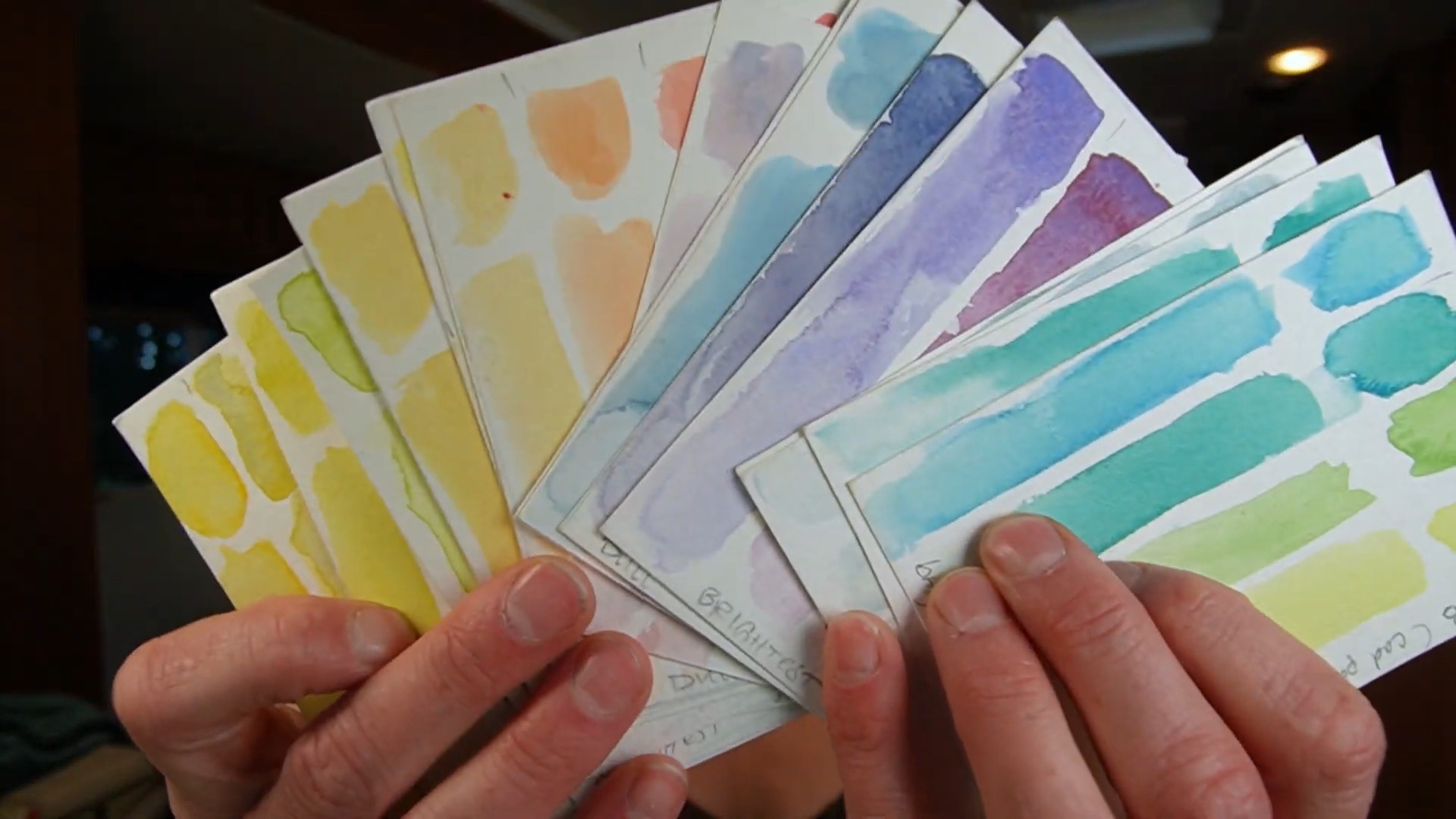
The easiest way to identify color bias is to compare colors side by side. Ask yourself:
- Does this red lean more toward orange or purple?
- Does this yellow lean more toward orange or green?
- Does this blue lean more toward green or purple?
You don't need expensive supplies or advanced color theory knowledge. Simply observing your paints carefully can reveal a surprising amount of information. Creating color wheels and mixing charts is also one of the fastest ways to train your eye. Over time, you'll begin recognizing color bias almost automatically.
Why Understanding Color Bias Changes Everything
Many artists spend years believing that successful color mixing is based on intuition, luck, or natural talent. But color bias reveals something different. Color mixing is a skill. And like any skill, it becomes easier once you understand the underlying principles.
When you understand color bias:
- Color choices become more intentional.
- Mixing becomes more predictable.
- Muddy colors become easier to avoid.
- Vibrant colors become easier to create.
- Painting becomes more enjoyable.
You stop hoping for good results and start creating them on purpose.
Final Thoughts: Color Mixing Isn't Magic, It's Understanding
If color mixing has ever felt confusing, frustrating, or unpredictable, you're not alone. Most artists simply haven't been taught how color bias works.
Once you understand that every primary color has a warm or cool tendency, many of your color mixing struggles begin to make sense. You start seeing why some mixtures glow, and you start understanding why others become muted. Most importantly, you gain the ability to make those decisions intentionally.
Color mixing isn't magic. It's knowledge. And color bias is one of the most valuable concepts you can learn on your journey toward confident, expressive watercolor painting.