Beginner Watercolor: Why It Feels So Hard (And How to Start Successfully)
Jun 30, 2026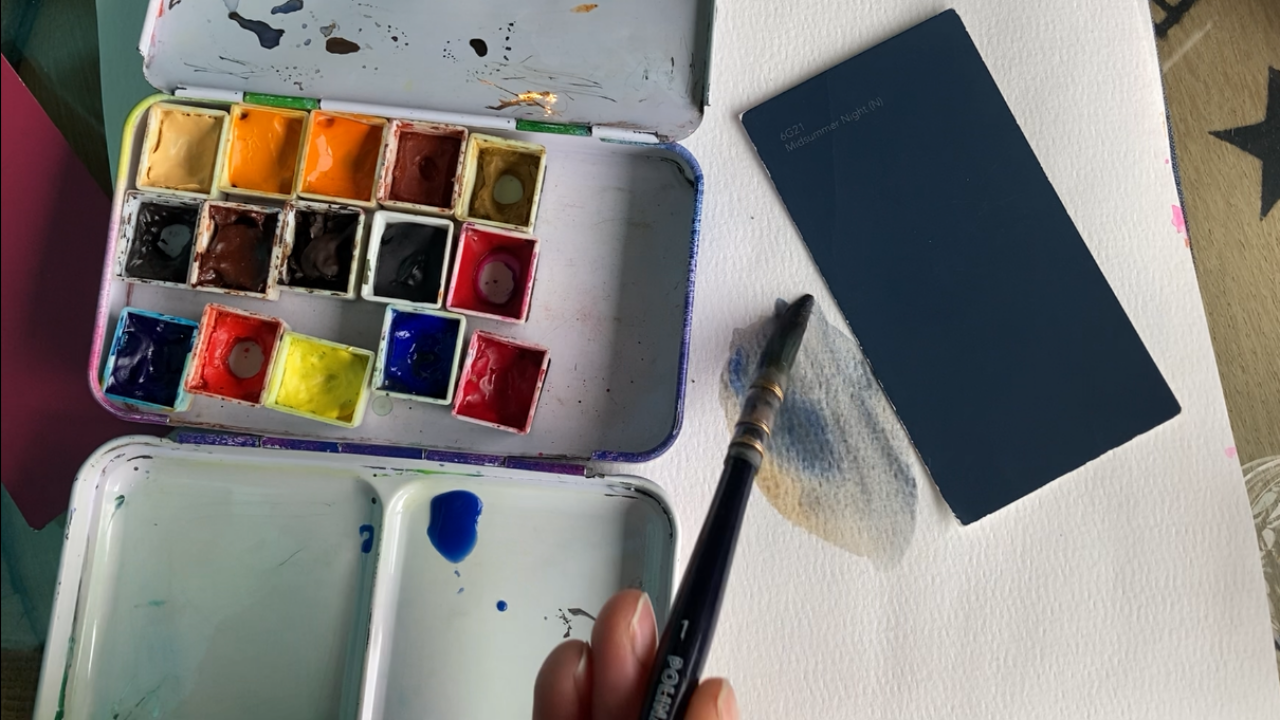
If you’ve ever sat down with watercolor paints, excited to begin, only to end up with frustration, streaky washes, or “why does this look nothing like what I imagined?”, you are absolutely not alone.
Watercolor has a reputation for being one of the most difficult painting mediums to learn.
But here’s the truth most beginners don’t hear:
Watercolor isn't inherently hard. It simply behaves differently until you understand how it works.
Once you learn a few foundational principles, it starts to feel much more predictable and enjoyable.
Let’s break down why watercolor feels so hard at the beginning, and what actually helps you improve quickly without overwhelm.
Why Watercolor Feels So Difficult for Beginners
Most beginners assume they are struggling because they lack talent or “an artistic eye.”
That’s almost never the real issue.
Watercolor feels hard for three main reasons:
1. It behaves differently than other paints
Unlike acrylic or oil, watercolor:
- Moves when wet
- Dries lighter than it looks
- Reacts to water ratios more than pigment amount
- Cannot easily be painted over to fix mistakes
So instead of feeling like a controlled medium, it often feels like the paint is “doing its own thing.”
2. You are learning multiple skills at once
When you start watercolor, you’re not just learning how to paint.
You’re also learning:
- Water control
- Brush control
- Color mixing
- Timing (wet vs dry)
- Paper behavior
Trying to master all of this at once is like learning to drive while also learning how an engine works. It’s overwhelming by design.
3. Expectations are usually too high too soon
Many beginners start watercolor expecting:
- Clean, vibrant colors immediately
- Realistic results from day one
- Smooth landscapes and flowers quickly
But watercolor is a layered skill.
Early results are meant to be messy. They're part of learning how watercolor behaves.
The Biggest Beginner Watercolor Mistakes
Most frustration comes from a few very common mistakes that almost every beginner makes.
1. Using too much water or too little water
Water isn't just something you paint with. It's part of the paint itself.
Too much water:
- Causes weak, washed-out color
- Creates uncontrolled blooms
Too little water:
- Leads to streaky, dry brush marks
- Prevents smooth blending
Learning the “water balance” is one of the first real breakthroughs in watercolor.
2. Trying to fix everything immediately
Watercolor doesn’t behave like acrylic.
If you try to “scrub” or overwork a mistake while it’s still wet, you often:
- Reactivate pigments
- Create muddy areas
- Damage the paper surface
Beginners often assume they need to work harder to fix things, when in reality they often need to step back and let it dry.
3. Mixing too many colors at once
One of the fastest ways to lose vibrancy in watercolor is overmixing.
When you combine too many pigments:
- Colors become dull
- Mixtures lose clarity
- Everything starts to look “brown-ish”
Simple color mixing almost always produces better results.
4. Not understanding dry vs wet behavior
Watercolor behaves completely differently depending on whether paper is:
- Wet (soft edges, blooming, blending)
- Damp (controlled blending)
- Dry (sharp edges, texture)
Beginners often don’t realize they are painting in multiple states without meaning to.
What Beginners Should Focus on First
The biggest mistake beginners make is trying to paint “finished artwork” too early.
Instead, focus on these three foundations first:
1. Water control
Before anything else, learn:
- How much water is in your brush
- How wet your paper is
- How pigment spreads at different moisture levels
This alone solves a huge percentage of beginner frustration.
2. Simple shapes, not complex subjects
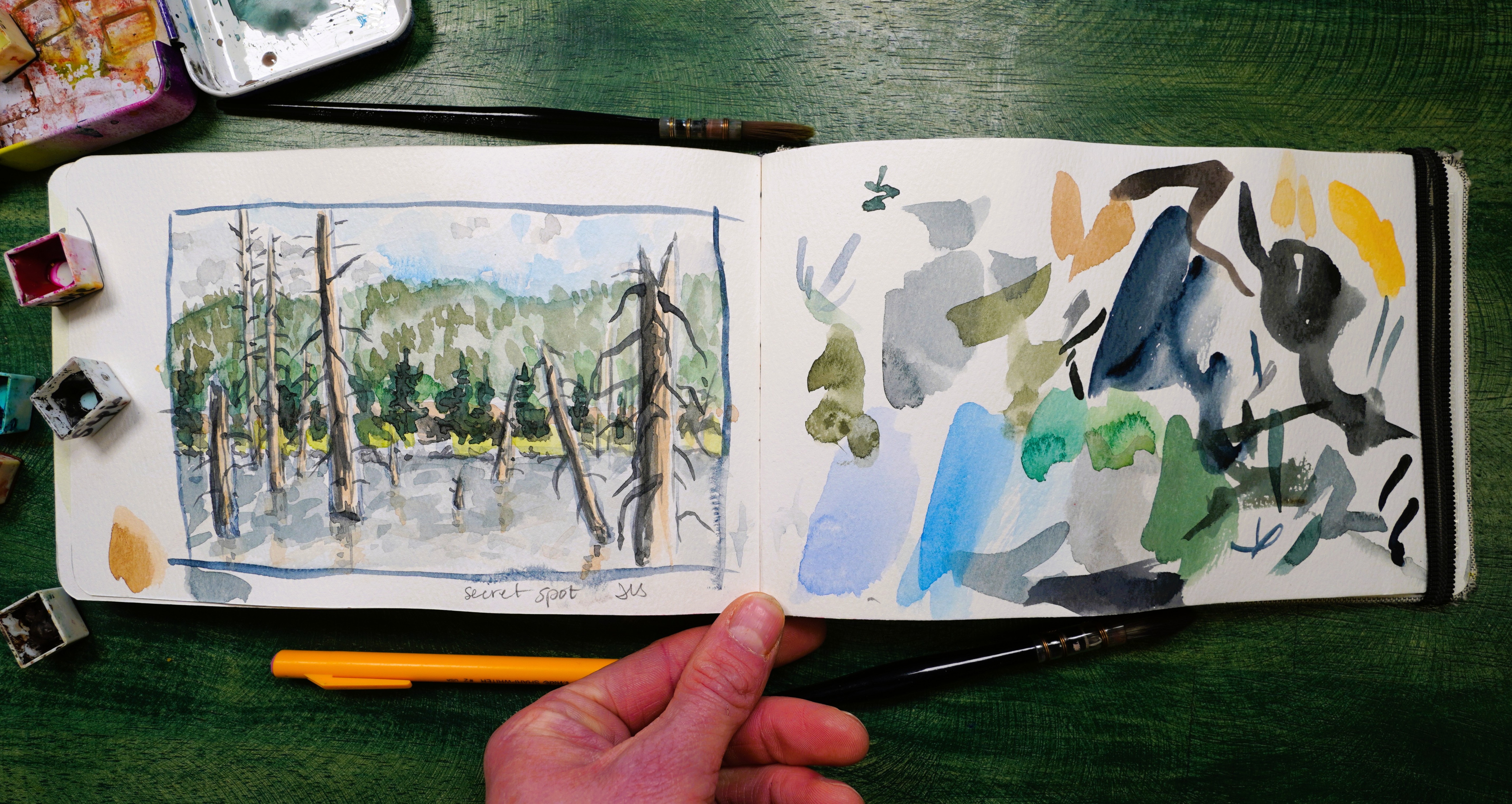
Instead of jumping into landscapes or portraits, start with:
- Circles
- Gradients
- Basic leaf shapes
- Color swatches
These remove pressure and let you focus on technique instead of outcome.
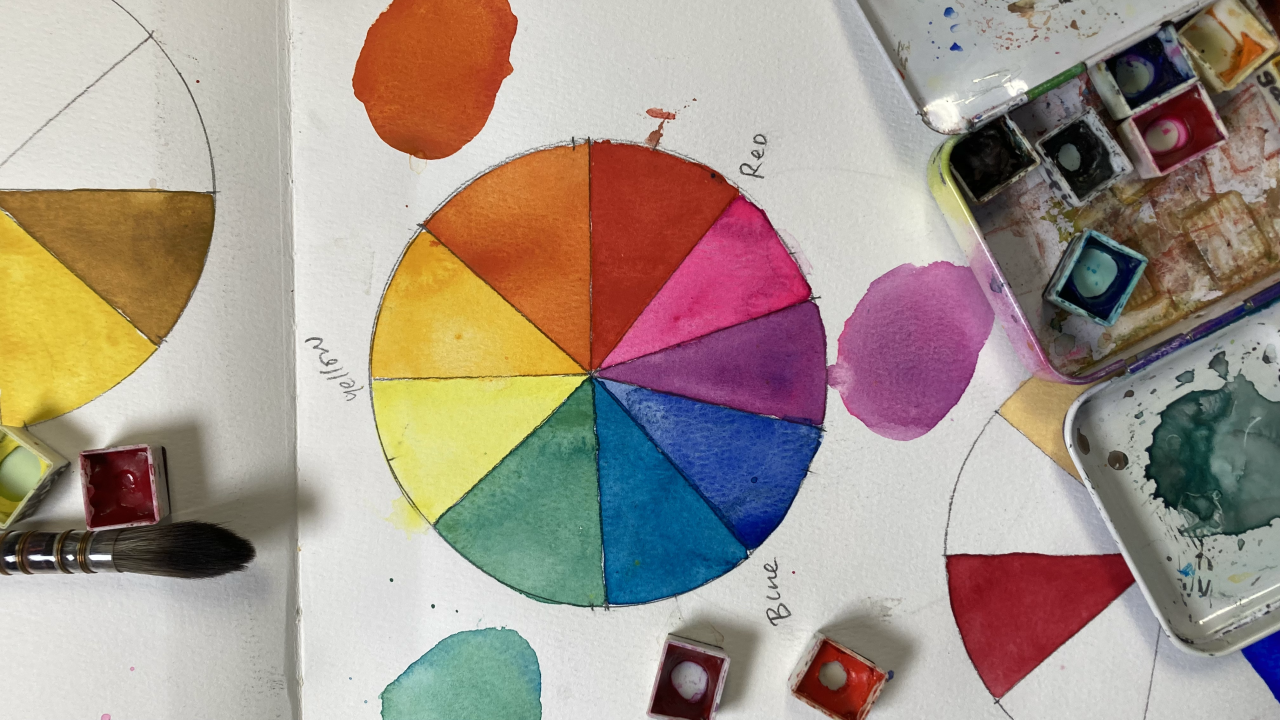
3. Color mixing basics
You don’t need advanced color theory at the beginning.
But you do need to understand:
- How to mix secondary colors
- Why some mixes become dull
- How to avoid overmixing
Even basic control over color will dramatically improve your results.
What Supplies Actually Matter (And What Doesn’t)
One of the biggest beginner traps is thinking better supplies will fix everything.
They won’t, but the right basics do matter.
What actually matters:
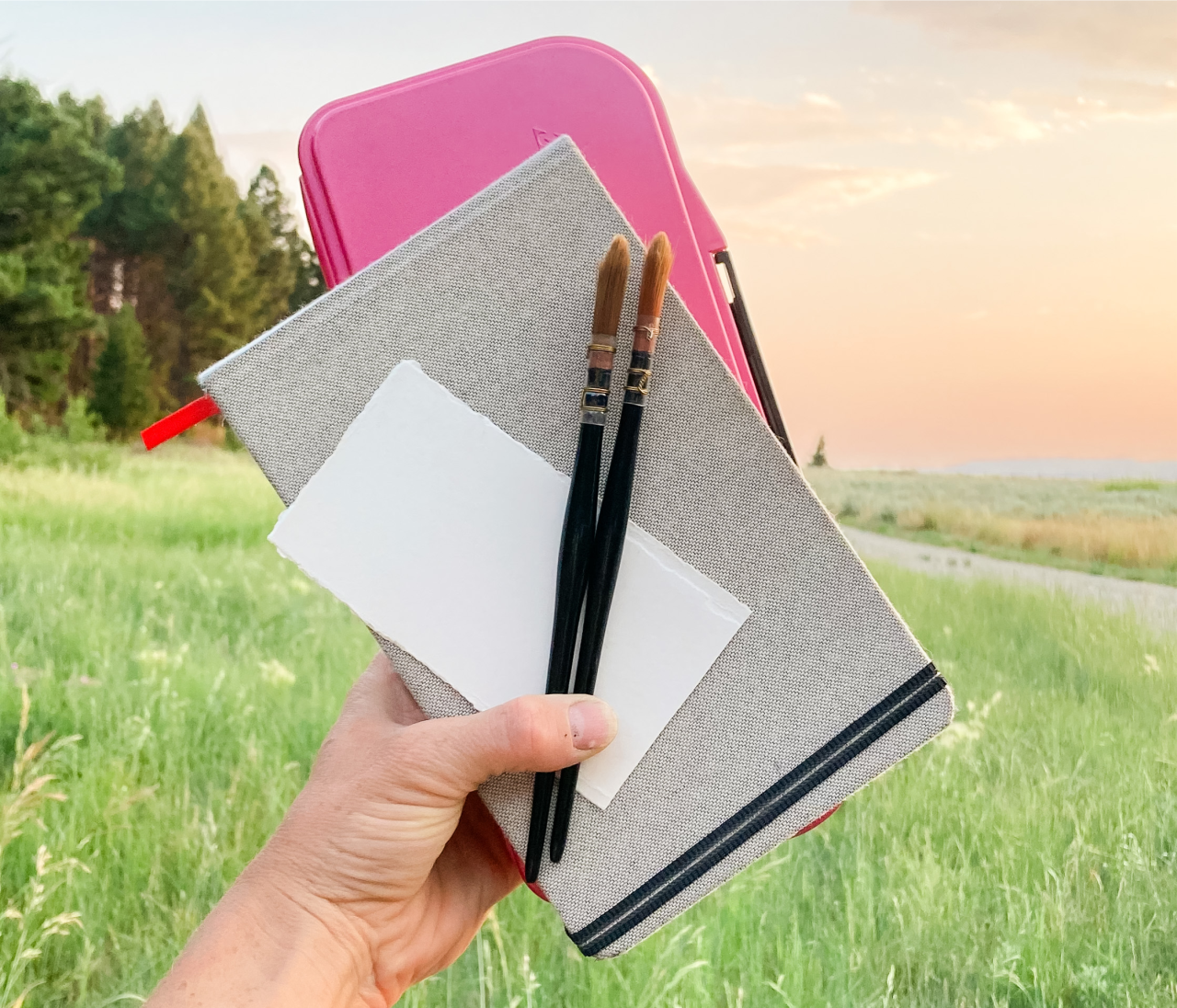
1. Watercolor paper (this is the most important supply)
Good paper:
- Holds water better
- Allows smoother blending
- Prevents immediate buckling and pilling
If there’s one thing to invest in early, it’s paper.
2. A basic set of quality paints
You do NOT need:
- 48-color sets
- Fancy specialty pigments
- Every color under the sun
A small, simple palette is actually better for learning.
3. A couple of good brushes
You only need:
- One medium round brush
- One smaller detail brush
- One larger wash brush (optional but helpful)
Brush quality matters less than control and practice.
What doesn’t matter (at the beginning):
- Expensive palettes
- Huge paint collections
- Specialty tools
- Brand-name obsession
More supplies usually = more confusion, not better results.
What NOT to Worry About Yet
Beginners often get stuck worrying about things that matter much later.
You can safely ignore:
1. Perfect realism
Your early paintings are not supposed to look like photographs.
Focus on learning control, not perfection.
2. Style
Your style will naturally emerge over time.
Trying to force it early usually creates frustration.
3. Advanced techniques
Techniques like:
- Glazing
- Negative painting
- Complex layering systems
Are valuable, but not step one.
4. Comparison with other artists
What you see online is usually:
- Years of practice
- Edited work
- Selective sharing
Not beginner reality.
How to Improve Faster with Watercolor
If you want to progress quickly, focus less on “painting more” and more on intentional practice.
Here’s what actually accelerates improvement:
1. Repeat simple exercises
Instead of new projects every time, repeat:
- Washes
- Gradients
- Color mixing charts
Repetition builds muscle memory.
2. Limit variables
Work with:
- Fewer colors
- Fewer brushes
- Simpler subjects
Every added variable increases difficulty.
3. Study one concept at a time
For example:
- One session = water control
- Next session = color mixing
- Next session = edges
Focused learning beats scattered practice.
4. Accept “messy middle” stages
Improvement in watercolor is not linear.
You will:
- Have breakthroughs
- Then feel like you’re going backward
- Then improve again
This cycle is normal.
Final Thoughts: Watercolor Isn’t Hard. It’s Just New.
If watercolor feels overwhelming right now, it doesn’t mean you’re not cut out for it.
It means you’re in the learning phase where everything is unfamiliar.
Every watercolor artist you admire once went through the exact same stage:
- Confused washes
- Unexpected blooms
- Muddy colors
- Frustrating results
The difference is not talent. It’s understanding and repetition.
Once you learn a few core skills especially water control, simple color mixing, and how to slow down your process, watercolor becomes far more predictable and enjoyable.
You don’t need to master everything at once. You just need to start with the right foundations.
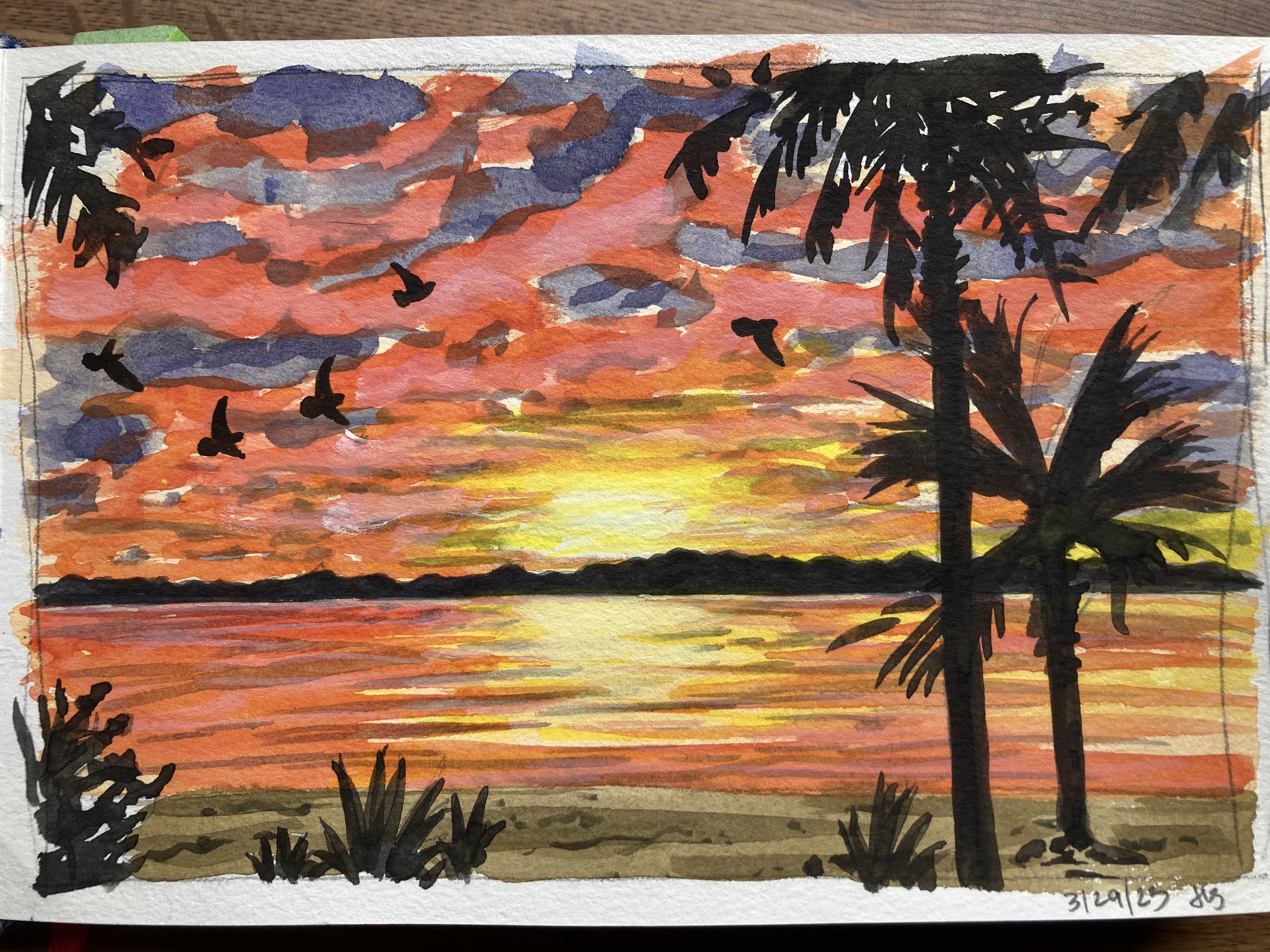
🎨 Watercolor Startup Guide
If you’re just beginning and want a clear, simple starting point, I created a Free Watercolor Startup Guide to walk you through exactly what to focus on first.
It will help you:
- Understand what actually matters as a beginner
- Avoid the most common early mistakes
- Set up your practice so you improve faster
- Start painting with more confidence and less overwhelm
If watercolor has felt confusing or frustrating, this is the place to begin.