Cool Yellow vs Warm Yellow in Watercolor: Why It Makes Sense
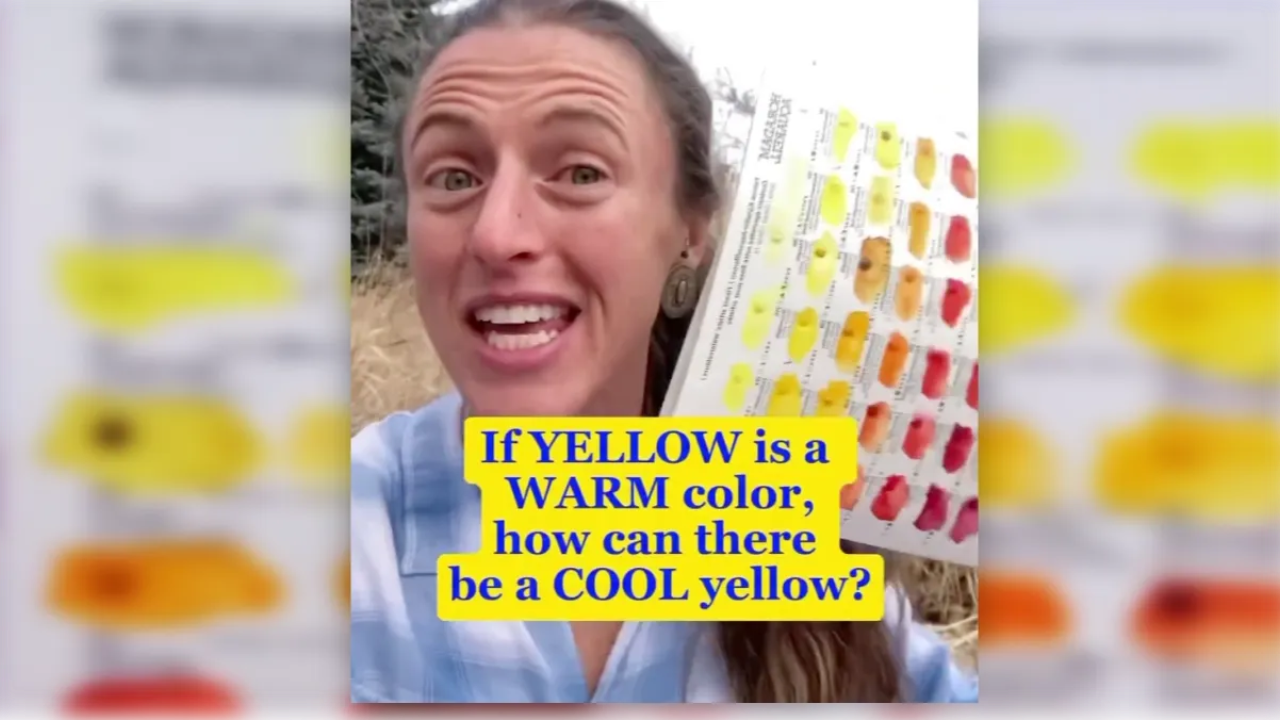
If yellow is a warm color, how can there be a cool yellow? It's a fair question.
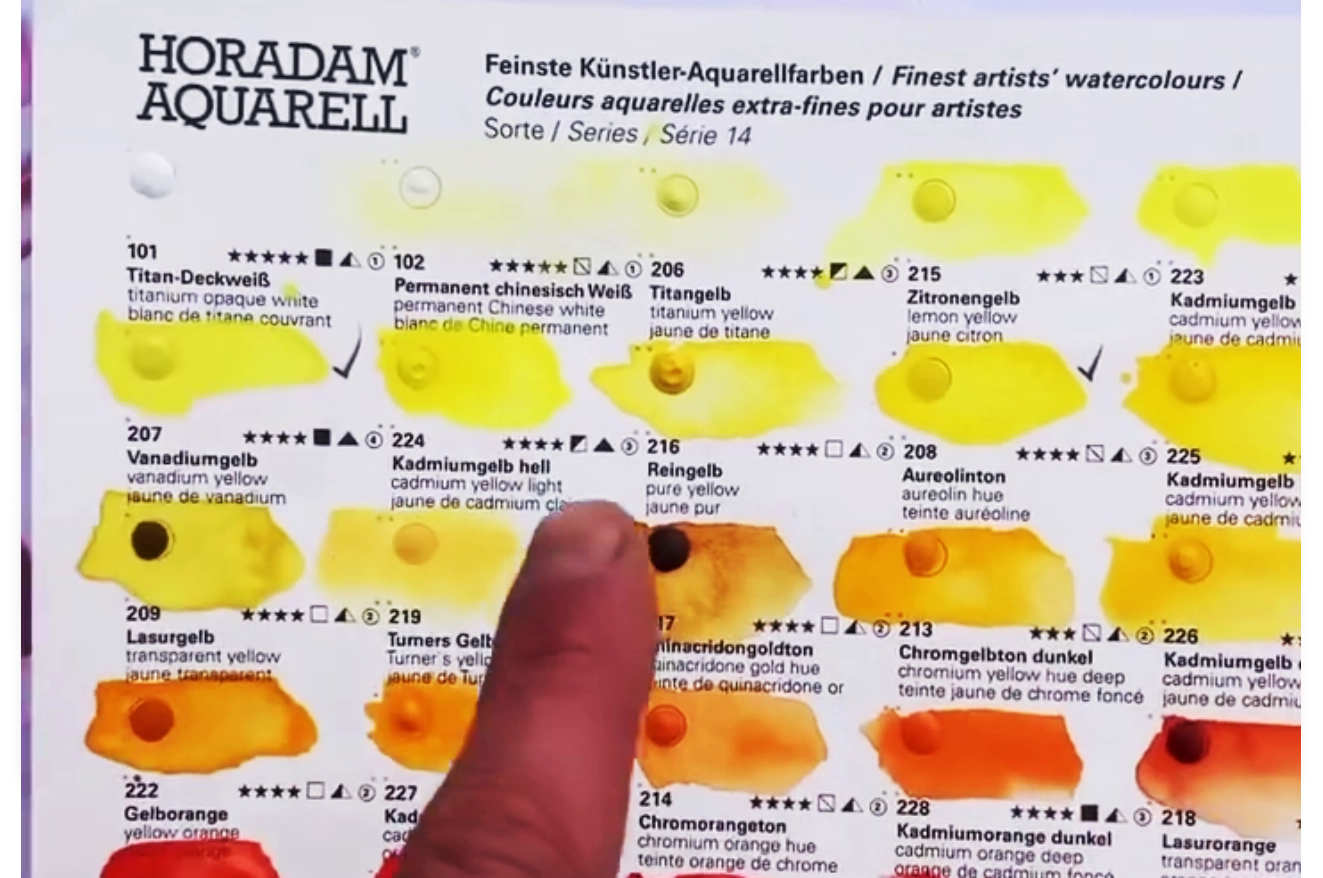
Cool yellows lean toward the green side of the color wheel, while warm yellows lean toward red. Side by side, cool yellows recede and warm yellows come forward.
Why This Matters
This is color bias in action, and once you see it, you can't unsee it. Every color family has warm and cool versions, and yellow is no exception. A cool yellow isn't a contradiction, it's just a yellow that veers slightly toward its neighbor on the wheel.
Knowing which yellow you're holding changes how it behaves in a mixture. A cool yellow will push a green mix brighter. A warm yellow will do the same for orange.
Try This
Grab two different yellows from your palette and paint a swatch of each side by side. Ask yourself which one leans slightly green, and which one leans slightly toward red or orange. Once you can spot the difference in your own paints, you'll start predicting your mixes instead of guessing.
Want to Go Deeper?
This Quick Tip covers just one piece of the bigger concept of color bias. If you'd like to understand why warm and cool pigments behave differently, and how to predict vibrant versus muted mixes, read the complete guide:
👉 What Is Color Bias in Watercolor? (And Why It Causes Muddy Colors)
Ready to Practice?
If you'd like hands-on help identifying warm and cool pigments in your own palette, my Free Color Mixing Workshop walks you through exactly that.
👉 Join the Free Color Mixing Workshop
You can also learn more about my approach to teaching watercolor on my about page.