How to Get Better at Painting: The Missing Link Between Learning and Practice
Jun 30, 2026
If you've ever wondered why you're not getting better at painting despite watching tutorials, taking classes, or buying art books, you're not alone.
Many artists assume that more learning automatically leads to more improvement. In reality, one of the biggest reasons artists get stuck is that they spend most of their time learning and very little time practicing.
The good news? Once you understand the difference between learning and practice, it becomes much easier to identify what's holding you back and start making meaningful progress.
Why Artists Stop Improving
Most artists don't stop improving because they lack talent. They stop improving because they accidentally become professional students.
Every week there's a new tutorial to watch, a new class to take, or a new artist to follow. Learning feels productive because we're exposed to new ideas and techniques. We leave feeling inspired and motivated.
The problem is that inspiration is not the same thing as skill development. Skill develops when you take what you've learned and apply it repeatedly over time.
For example, you might watch a fantastic tutorial on color mixing and finally understand the difference between warm and cool color bias. That's valuable knowledge. But understanding a concept intellectually doesn't automatically mean you'll use it successfully in your own work. That ability only develops through practice.
Why Tutorials Alone Don't Create Growth
Tutorials are one of the best ways to learn new techniques, but they have limitations. When you follow a tutorial, someone else has already solved many of the difficult problems for you. They've chosen the reference photo, selected the composition, identified the focal point, and often decided which colors to use.
The challenge comes when the tutorial ends. Suddenly you're faced with making all of those decisions yourself. Which reference should you paint? Which colors should you choose? How should you simplify the scene? What should you emphasize and what should you leave out?
This is where many artists discover the gap between learning and doing. Following a tutorial teaches you how someone else solved a painting problem. Practice teaches you how to solve your own.
The Difference Between Learning and Practice
Learning and practice serve different purposes. Learning helps you understand concepts. Practice helps you develop skills. Both are important, but they are not interchangeable.
Here's a simple way to see the distinction:
- Watching a lesson on values is learning. Creating ten quick value studies is practice.
- Watching a demonstration on watercolor skies is learning. Painting five different skies from your own reference is practice.
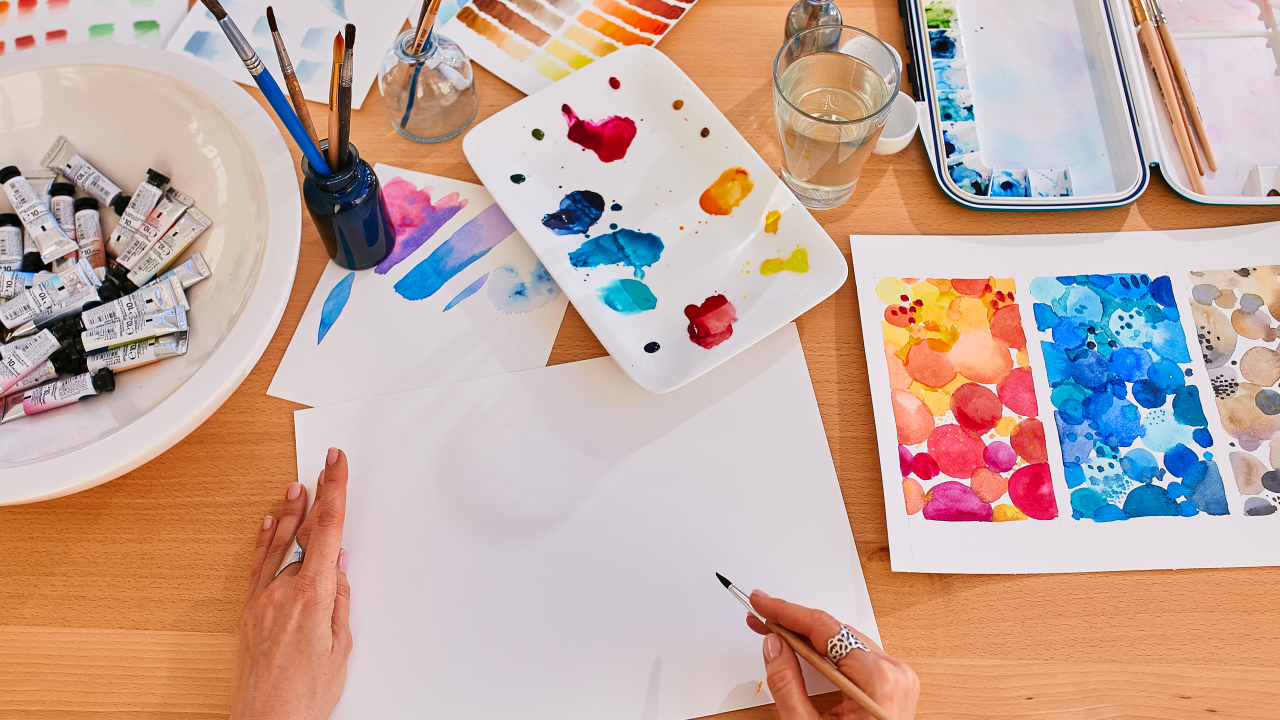
- Watching a color theory lesson is learning. Mixing dozens of color combinations and observing how they behave on paper is practice.
One of the simplest ways to improve as an artist is to spend less time collecting information and more time applying the information you already have.
Signs You're Spending Too Much Time Learning
Many artists don't realize they've fallen into learning mode. Here are a few common signs worth reflecting on:
- You have dozens of saved tutorials you haven't practiced.
- You frequently buy courses but rarely finish them.
- You can explain painting concepts but struggle to apply them.
- You feel inspired while watching demonstrations but overwhelmed when painting alone.
- You keep searching for the next breakthrough technique.
If several of those sound familiar, don't worry. Most artists experience this at some point. The solution isn't to stop learning. The solution is to create more opportunities to practice.

What Real Improvement Looks Like
One reason artists become discouraged is that improvement rarely feels dramatic. Most progress happens gradually.
You start mixing colors more accurately. You begin noticing subtle shifts in light that you previously overlooked, making stronger composition decisions and spending less time second-guessing yourself.
These improvements often happen so slowly that you don't notice them from day to day. However, when you compare your work from six months ago to your work today, the difference can be significant. Small improvements compound over time. This is why consistent practice matters so much.
The Missing Link Between Learning and Growth
If you're not improving as quickly as you'd like, ask yourself one honest question: How much time am I actually spending practicing compared to learning?
Many artists spend 80% of their time learning and 20% of their time painting. What often leads to real growth is reversing that ratio.
Continue taking classes. Continue watching tutorials. Continue learning from other artists. But make sure you're also creating opportunities to apply those lessons through your own painting practice.
That's where confidence develops, independence grows, and real improvement happens.
Ready to Put What You're Learning Into Practice?
One of the biggest challenges artists face isn't finding information. It's finding a reason to consistently sit down and paint.
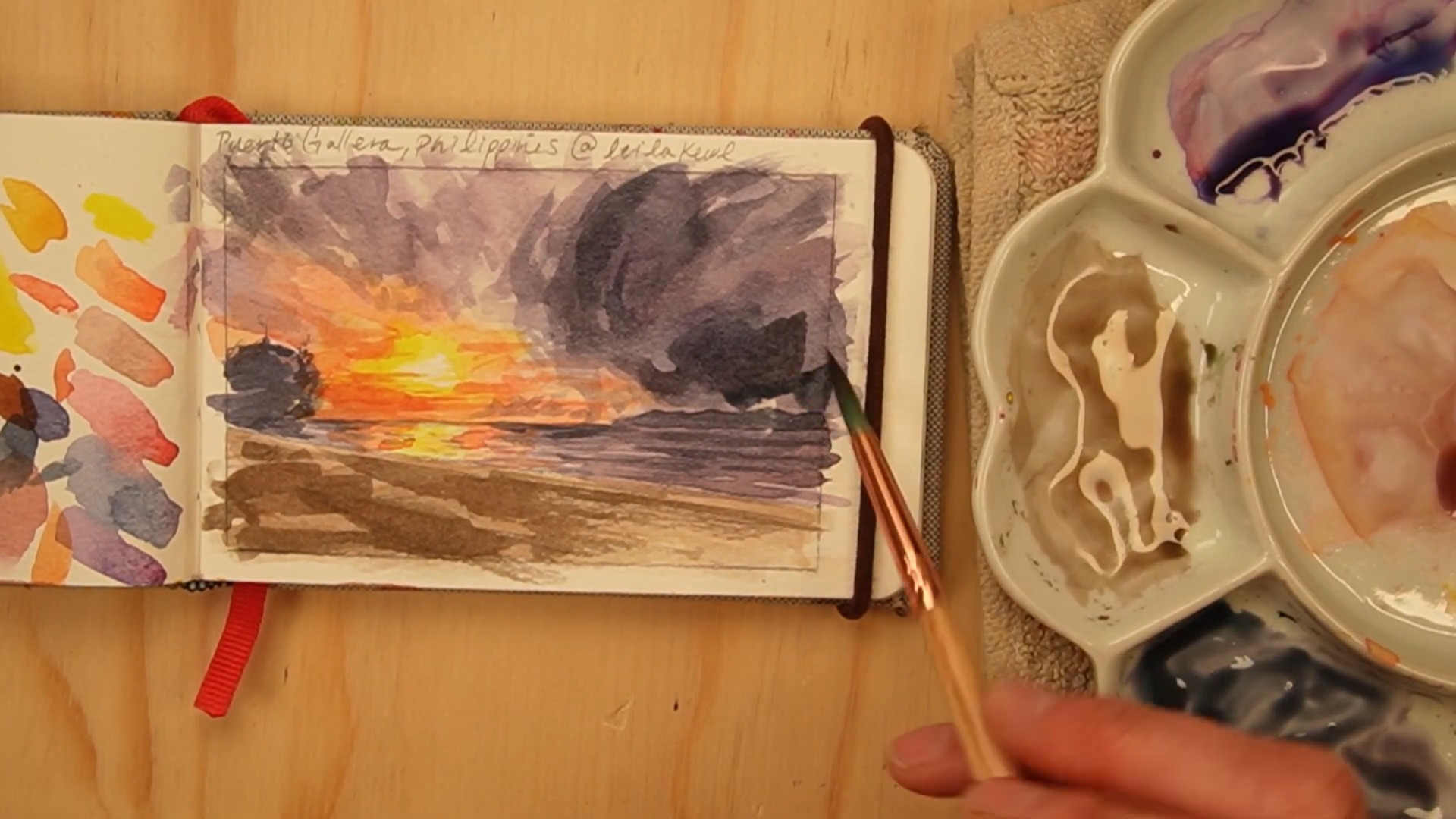
That's why I host Free Studio Paint-Alongs. They're designed to help artists move beyond consuming information and start applying it in a supportive environment. Whether you're working on color, composition, observation, or simply building confidence, practice is where growth happens.
Join the next Free Studio Paint-Along and give yourself an opportunity to turn learning into lasting skill.
👉 Join the Free Studio Paint-Along