How to Paint a Cityscape in Watercolor (Even If You Don't Love Painting Buildings)
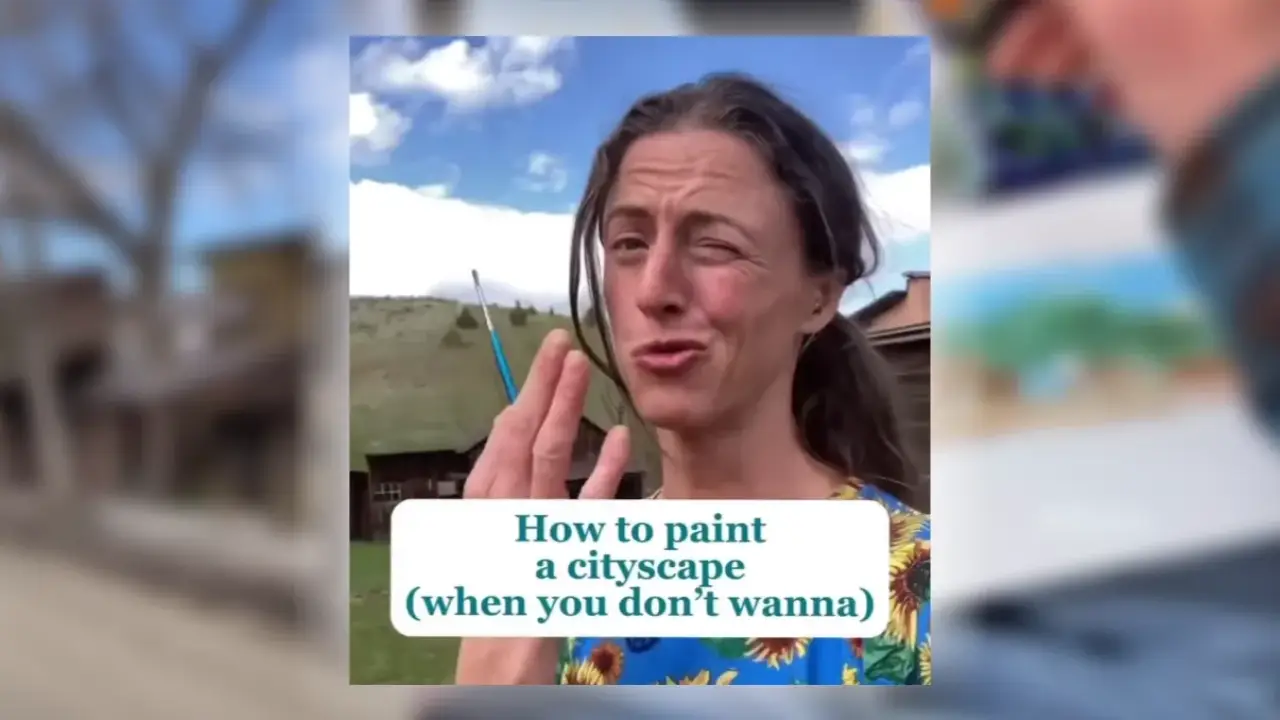
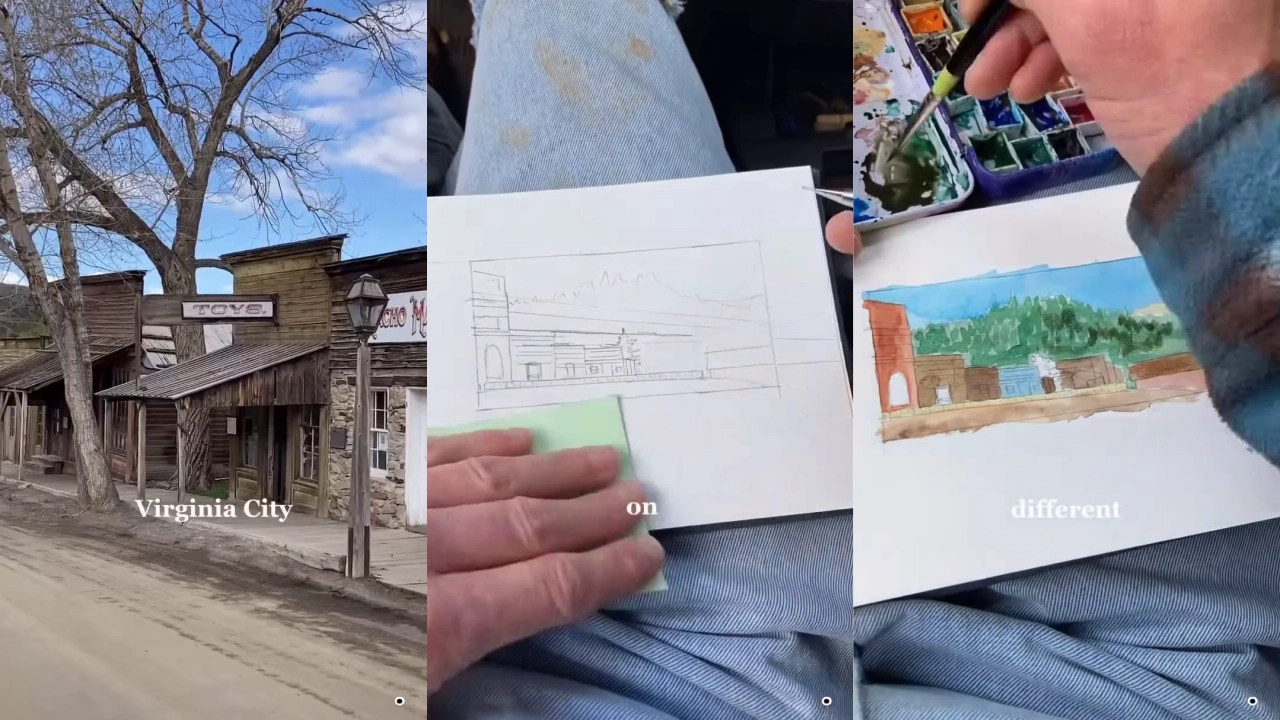
If you prefer painting nature over buildings, cityscapes are still worth practicing in watercolor. Keep your piece small and pick just a few buildings to focus on, then use a straight edge, like a credit card or envelope, to draw perspective lines that all converge to a single point off the page.
Why This Matters
A straight edge takes the guesswork out of perspective. Rather than eyeballing angles freehand, resting a straight edge against your reference and drawing toward one vanishing point keeps your buildings looking structurally accurate, even if architecture isn't your strong suit.
Choosing a section with a few different colored buildings also makes the piece more visually interesting and more enjoyable to paint, rather than picking the most "correct" or symmetrical view.
Try This
Pick a small section of buildings, just a few, not an entire street. Use a straight edge to sketch perspective lines converging to one point off the page. Block in your main colors first, then go back with a small detail brush for texture like brick and wood, only on the buildings closest to you. Let anything further into the distance stay soft and undetailed.
Want to Go Deeper?
If you liked this, it's worth reading alongside this related Quick Tip. Using a straight edge for perspective lines here is really an extension of the same sketching principles, working out your composition and structure before you ever commit to paint:
How to Sketch Before Watercolor Painting
Ready to Build Your Watercolor Foundation?
If you're still working on core watercolor skills like this one, my Free Beginner Watercolor Class is a good place to keep building your confidence.
👉 Join the Free Beginner Watercolor Class
If you're curious about my overall approach to teaching watercolor, you can find that on my about page.