How to Practice Painting Effectively: What Most Artists Get Wrong
Jun 30, 2026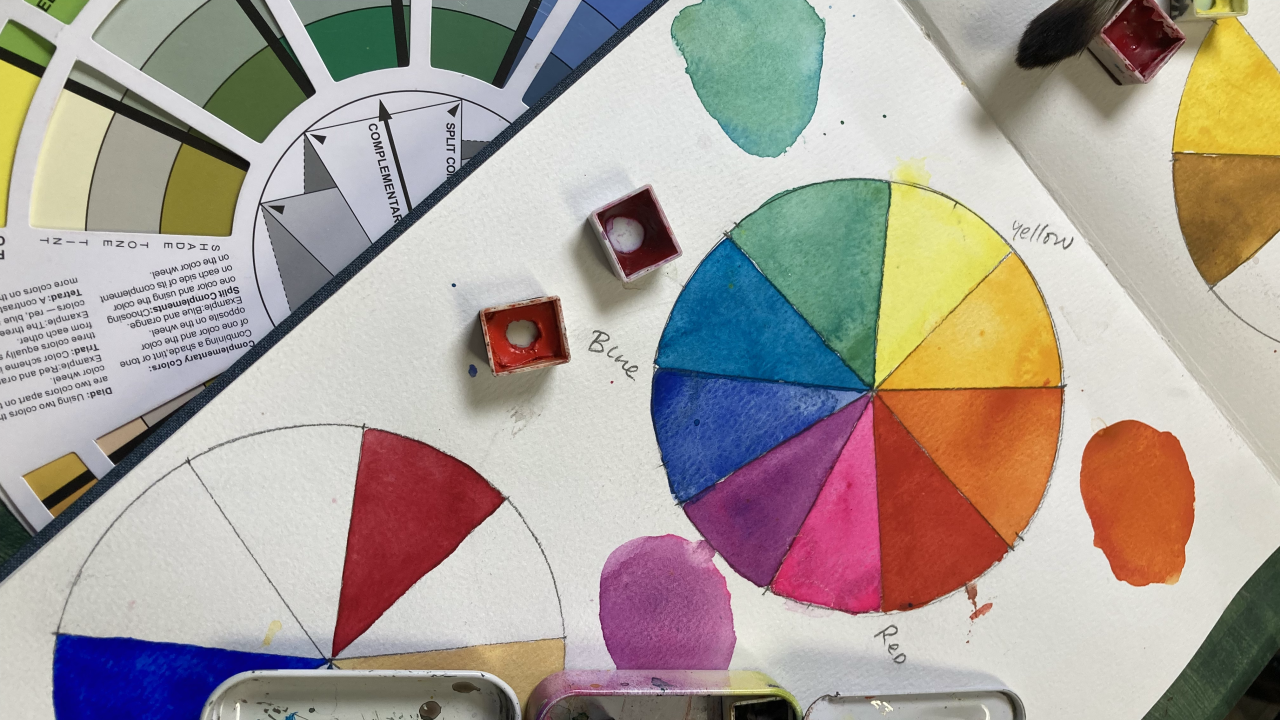
Many artists believe that if they're painting regularly, they're practicing. Unfortunately, those two things are not always the same.
It's entirely possible to paint for years without improving as much as you'd like. In fact, this is one of the most frustrating experiences artists face. They invest time, buy supplies, watch tutorials, and create painting after painting, yet somehow feel stuck at the same skill level.
When this happens, the problem is rarely effort. More often, the problem is that the artist has never learned how to practice effectively.
If you've ever wondered how to improve your painting skills faster, understanding the difference between painting and practice is a great place to start.
Not All Painting Is Practice
Imagine someone who plays the same three songs on the guitar every day. They're certainly playing guitar, but are they actively improving? Not as much as they could be.
Now imagine another musician who spends time working on scales, rhythm exercises, finger placement, and challenging new songs. That musician is intentionally developing specific skills. Painting works much the same way.
Creating finished paintings can absolutely help you improve. However, finished paintings often require you to juggle many different skills at once: drawing, composition, color, values, edges, brushwork, and more. Because there are so many moving parts, it can be difficult to identify what actually needs improvement.
Practice becomes more effective when you isolate specific skills and work on them intentionally.
Why Many Artists Plateau
One of the biggest reasons artists stop improving is that they spend all of their painting time creating finished pieces. Finished paintings are important. They're often the reason we started painting in the first place.
The challenge is that finished paintings don't always provide enough repetition.
Imagine you're struggling with color mixing. If you complete one landscape painting each month, you might only mix a few dozen color combinations before moving on to the next project. Compare that to spending a single afternoon creating color charts, mixing greens, exploring warm and cool variations, and observing how different pigments interact.
The second approach gives your brain far more opportunities to recognize patterns and develop understanding. This is why spending time on studies, in addition to finished work, makes such a difference.
What Effective Practice Actually Looks Like
Effective painting practice focuses on developing a specific skill. Rather than trying to improve everything at once, choose one area and give it your full attention.
Some examples include:
1. Color Studies
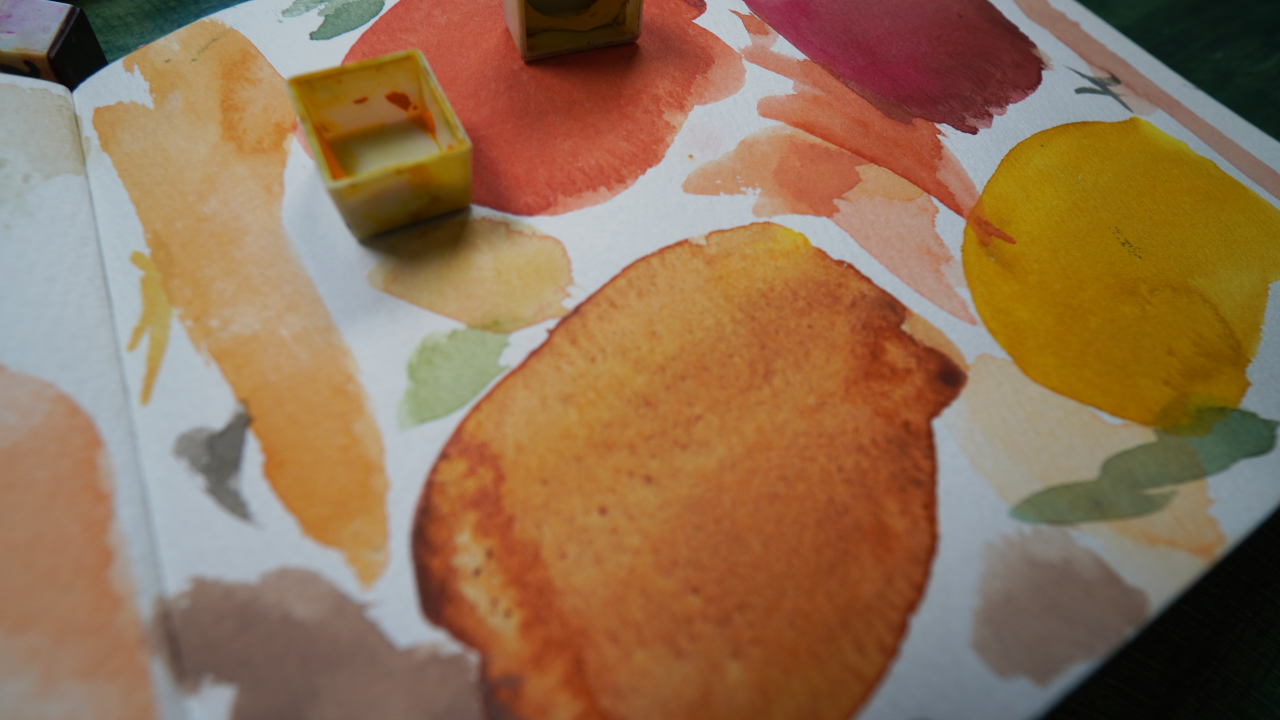
Choose a reference photo and focus entirely on color relationships. Try mixing the same color several different ways. Compare warm and cool variations. Explore how neighboring colors influence one another. This type of focused practice can dramatically improve your color confidence.
2. Value Studies
Many painting problems are actually value problems. Before worrying about color, create small studies using only light and dark shapes. This helps train your eye to recognize contrast, structure, and focal points.
3. Composition Studies
Instead of creating a finished painting, make several quick thumbnail sketches. Experiment with different arrangements of shapes and focal points. You'll often learn more from five small compositions than one large painting.
4. Repetition Studies
One of the fastest ways to improve is to paint the same subject multiple times. Each repetition reveals something new and allows you to apply lessons immediately.
- Paint the same tree.
- Paint the same mountain.
- Paint the same cloud formation.
The Goal Is Not a Masterpiece
This is where many artists get stuck. They approach every practice session as though it should result in a finished painting worthy of framing. That expectation creates pressure and discourages the kind of experimentation that actually builds skill.
A violinist doesn't expect every practice session to result in a concert performance. A basketball player doesn't expect every drill to feel like a championship game. Artists benefit from giving themselves the same permission.
Some sessions are for creating, and some are for learning. Both have real value.
A Simple Framework for Better Practice
If you're not sure where to start, try this simple approach:
- Identify one skill you want to improve.
- Create a short study focused on that skill.
- Repeat the exercise several times.
- Reflect on what worked and what didn't.
- Apply what you learned in a finished painting.
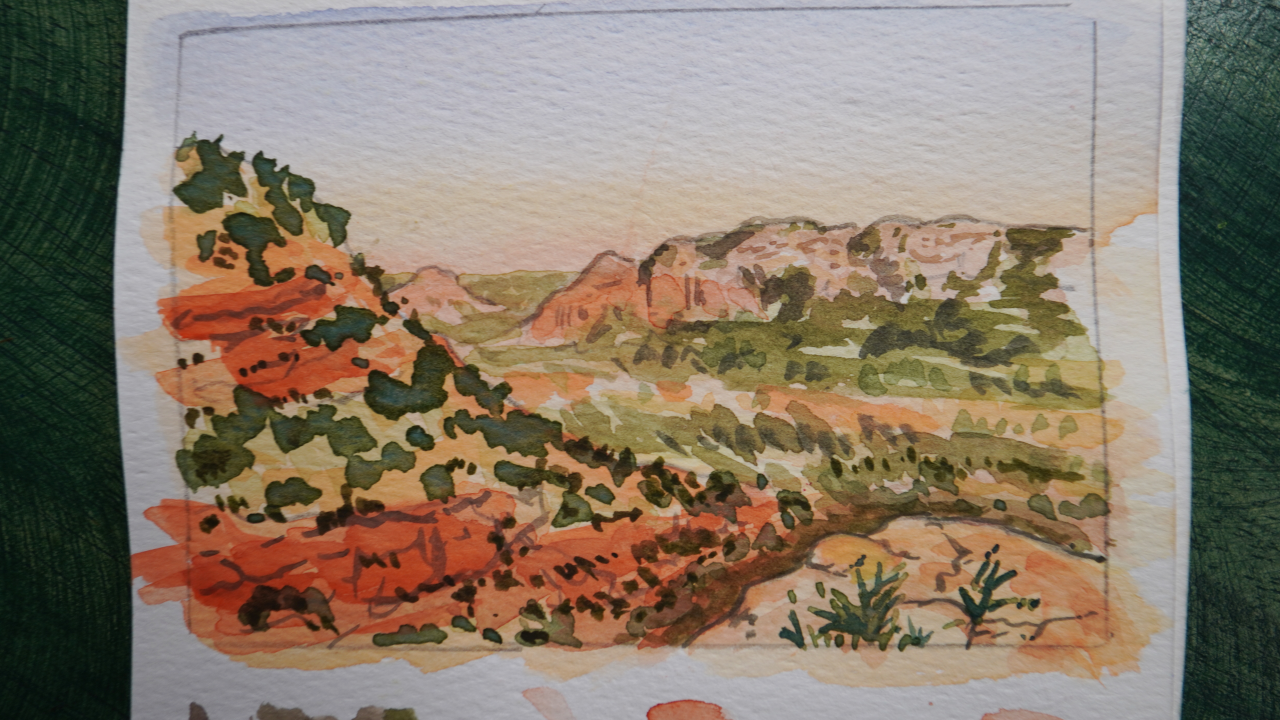
For example, if you're struggling with watercolor landscapes, you might spend a week studying skies, another week studying trees, and another week studying color temperature in shadows. When you eventually create a finished landscape, you'll be bringing stronger individual skills to the painting.
Why Practice Builds Confidence
Many artists believe confidence comes from creating successful paintings. While that certainly helps, confidence often comes from familiarity. The more often you practice a skill, the less intimidating it becomes.
You begin recognizing common mistakes, developing solutions to recurring problems, and trusting yourself more because you've seen similar challenges before.
This is why effective practice is so powerful. It doesn't just improve your technical skills. It also reduces uncertainty and builds confidence over time.
Paint More Intentionally, Not Just More Often
If you're feeling stuck in your artistic growth, the answer may not be to paint more. It may be to practice more intentionally.
The artists who improve fastest aren't necessarily the ones who spend the most hours at the easel. They're the ones who spend time developing specific skills, reflecting on what they're learning, and applying those lessons consistently.
Practice isn't glamorous, and most of the time it doesn't produce your favorite paintings. But it does produce something even more valuable: growth.
Looking for a Simple Way to Practice?
One reason artists enjoy the Studio Paint-Alongs is that they provide a focused opportunity to practice without the pressure of creating a perfect painting. Each session encourages observation, experimentation, and skill-building while keeping the process enjoyable and approachable.
If you'd like a reason to keep practicing and growing alongside other artists, join the next Free Studio Paint-Along.
👉 Join the Free Studio Paint-Along