What Is Watercolor Ground?
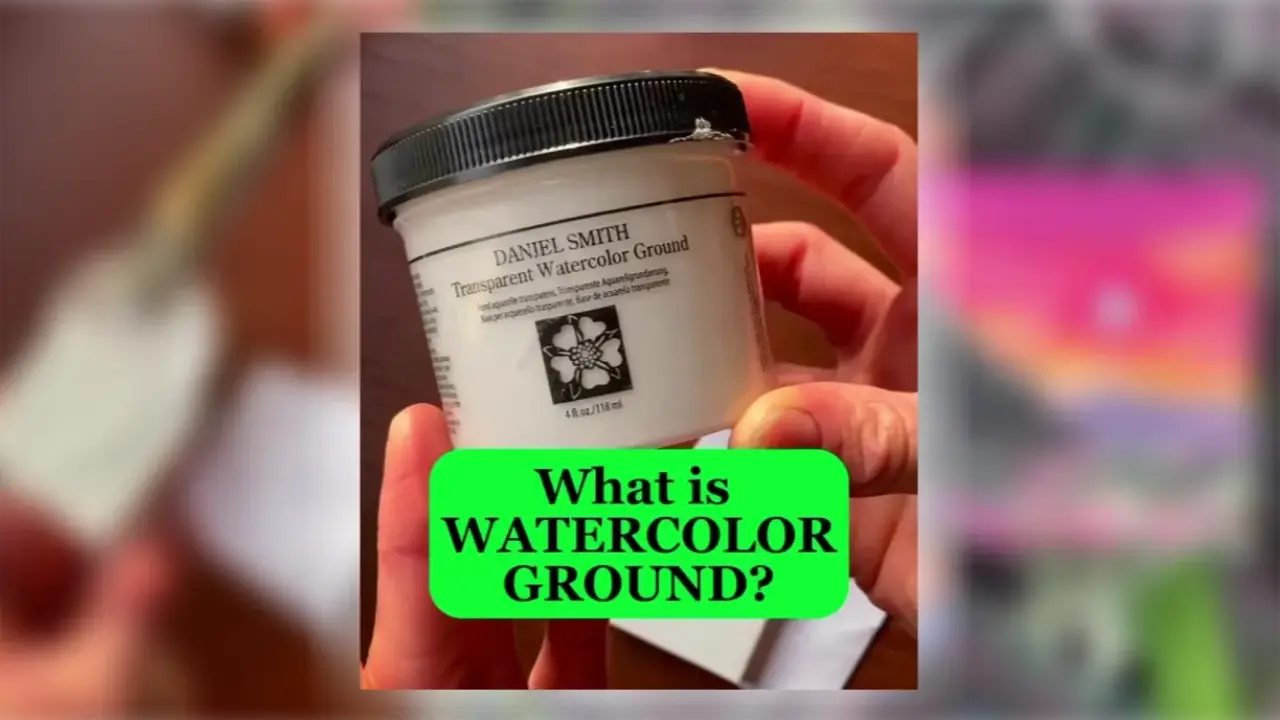
Watercolor ground is a medium you can apply to almost any surface, like wood, rock, or canvas, to turn it into a paintable watercolor surface once it dries. It solves a real limitation for watercolor artists, who typically have far fewer surface options than painters working in oil or acrylic.
Why This Matters
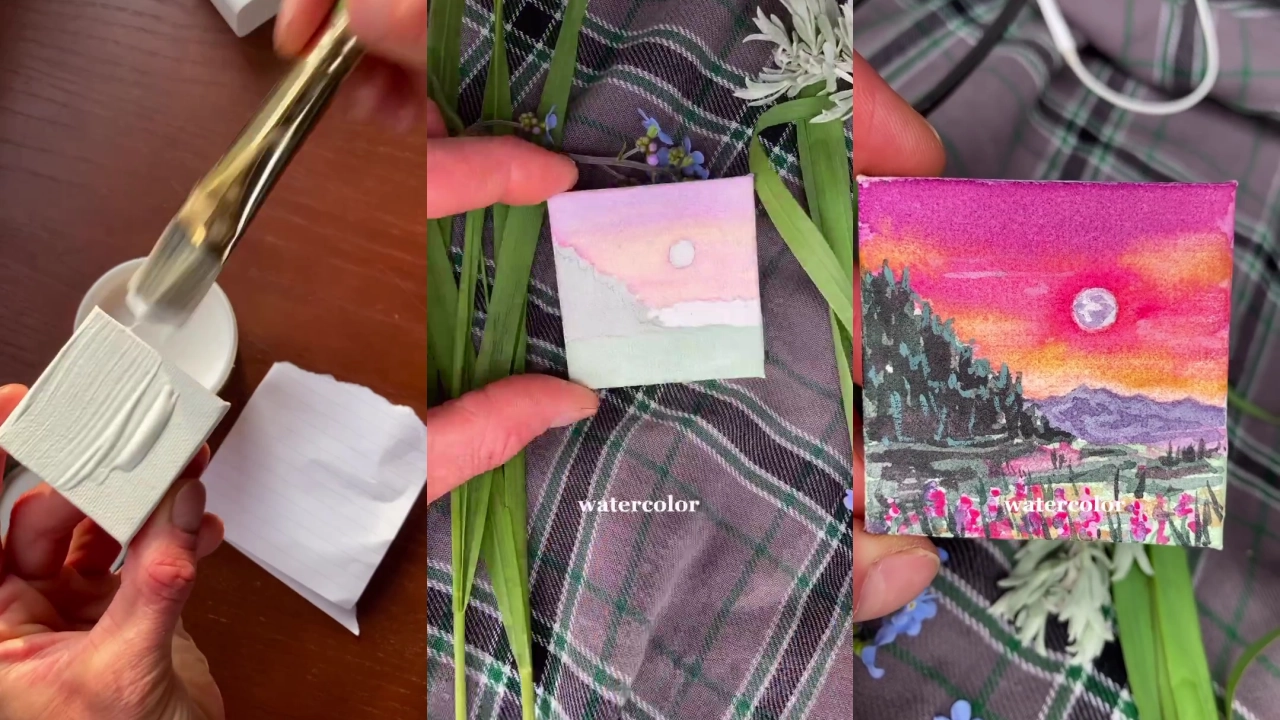
Watercolor traditionally needs an absorbent surface, which limits what you can paint on. Watercolor ground removes that restriction by creating an absorbent layer on top of whatever you're applying it to, so a hard surface like canvas or wood can behave like watercolor paper once it's coated and dry.
The exact texture and feel of the final surface can vary depending on what you apply the ground to, so the same product may behave a little differently on wood versus canvas versus rock.
Try This
If you've been wanting to paint watercolor on a surface other than paper, try watercolor ground on a small test piece first. Apply two coats, letting each one dry fully (roughly a full day) before adding the next, and see how the surface takes your paint once it's cured.
Ready to Build Your Watercolor Foundation?
If you're still exploring different watercolor supplies and materials, my Free Watercolor Startup Guide is a good place to keep building that confidence.
👉 Get the Free Watercolor Startup Guide
If you're curious about my overall approach to teaching watercolor, you can find that on my about page.