Earth Tone Watercolor: What They Are and How to Mix Them
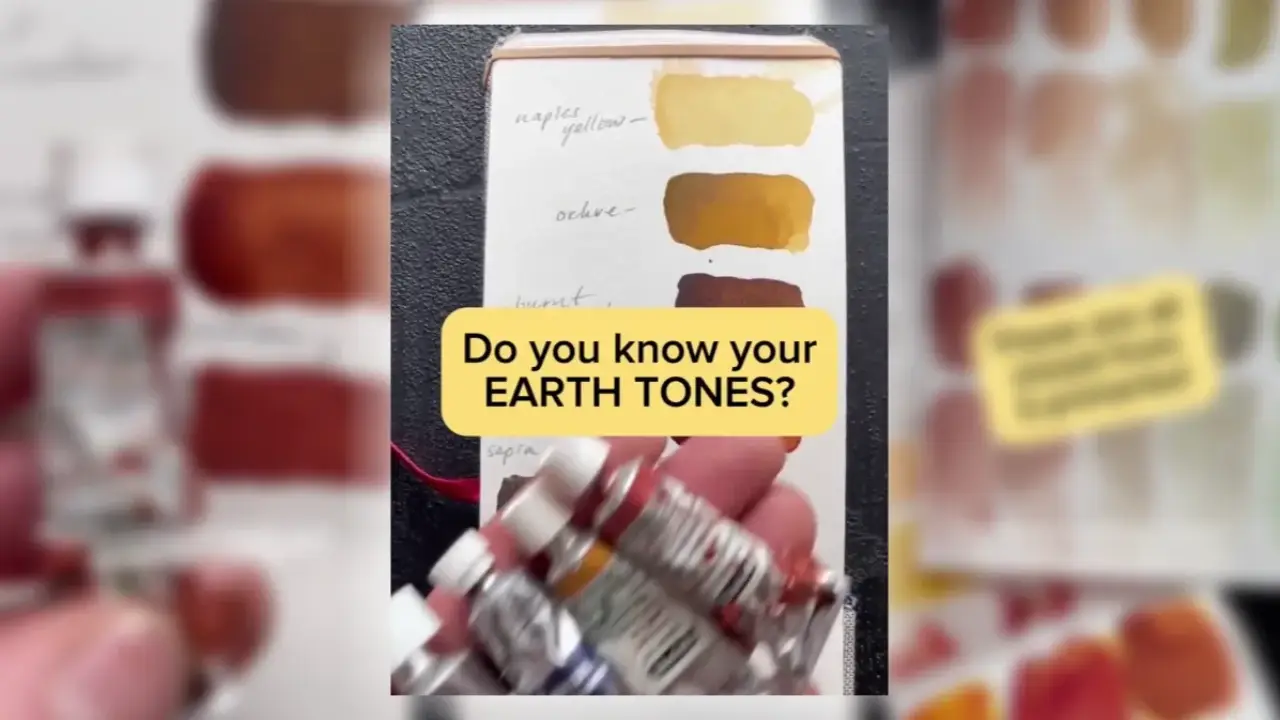
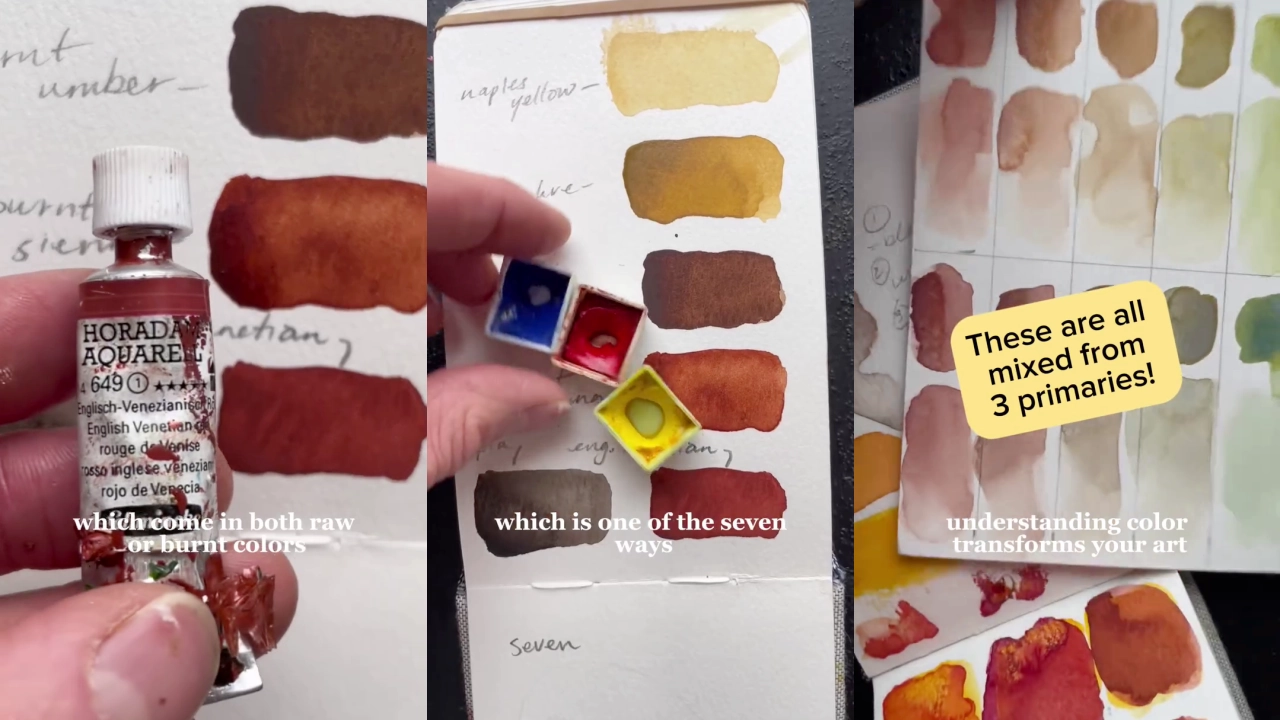
Earth tones are natural colors derived from minerals, clay, and soil, think ochres, siennas, and umbers. Artists love them for their warmth and the soft, natural undertones they add to a painting. The best part: you don't have to buy them premixed. You can mix your own earth tones from just three primary colors.
Why This Matters
Mixing your own neutrals is one of the most confidence-building skills a painter can develop. Instead of relying on a shelf of premixed earth-tone tubes, understanding how these colors are built means you can recreate them anytime, with paints you already own.
This is the same idea behind Browns being more useful than they look; earth tones and muted neutrals often come from the same underlying principle, just approached from different starting points.
Try This
Pick a warm and cool version of each primary color. Mix small amounts together and see how close you can get to an ochre, a sienna, and an umber. Compare your results to a premixed earth-tone pigment if you have one.
Want to Go Deeper?
If you liked this, you might also enjoy this related Quick Tip on getting more out of a color you might be overlooking: How to Mix Brown Watercolor: Why It's Not a Boring Color
Want More Ways to Transform Your Color Confidence?
Understanding your neutrals is just one of seven ways color mastery changes your art. My free guide walks through the rest.
👉 Get the Free "Map to Color Freedom" Guide
If you're curious about my overall approach to teaching watercolor, you can find that on my about page.