Wax Resist Watercolor: Using a White Crayon
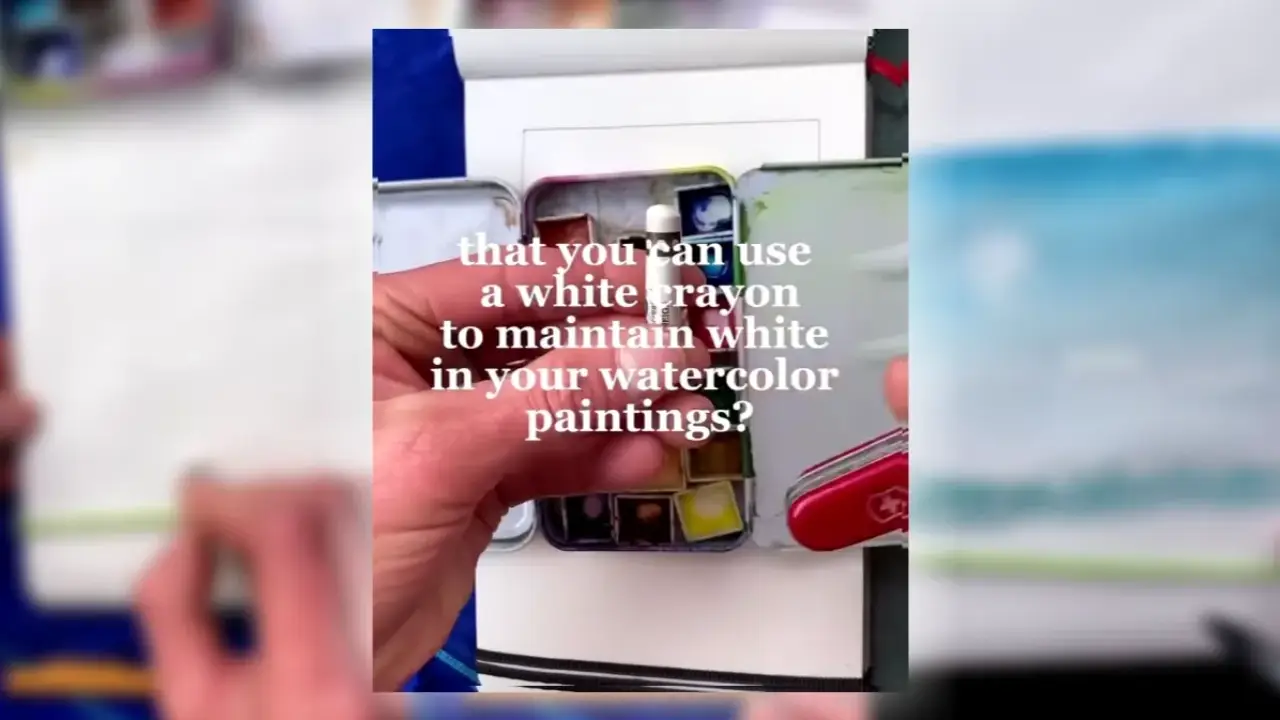
A white crayon can preserve white areas in your watercolor painting through a technique called wax resist. The crayon creates a barrier on the paper, so when you paint watercolor over it, the paint can't soak through wherever the wax sits.
Why This Matters
This is a genuinely low-cost alternative to masking fluid or careful painting-around. A white crayon is cheap, easy to find (kids' crayon boxes always have an unused one), and fits right in a paint tin. Unlike masking fluid, though, once it's applied, you can't remove it and repaint that area, so it's a bit less flexible.
It also takes real pressure to apply, and since the wax is white on white paper, it's hard to see exactly where you've put it, which makes planning your painting a little trickier than with more visible methods.
Try This
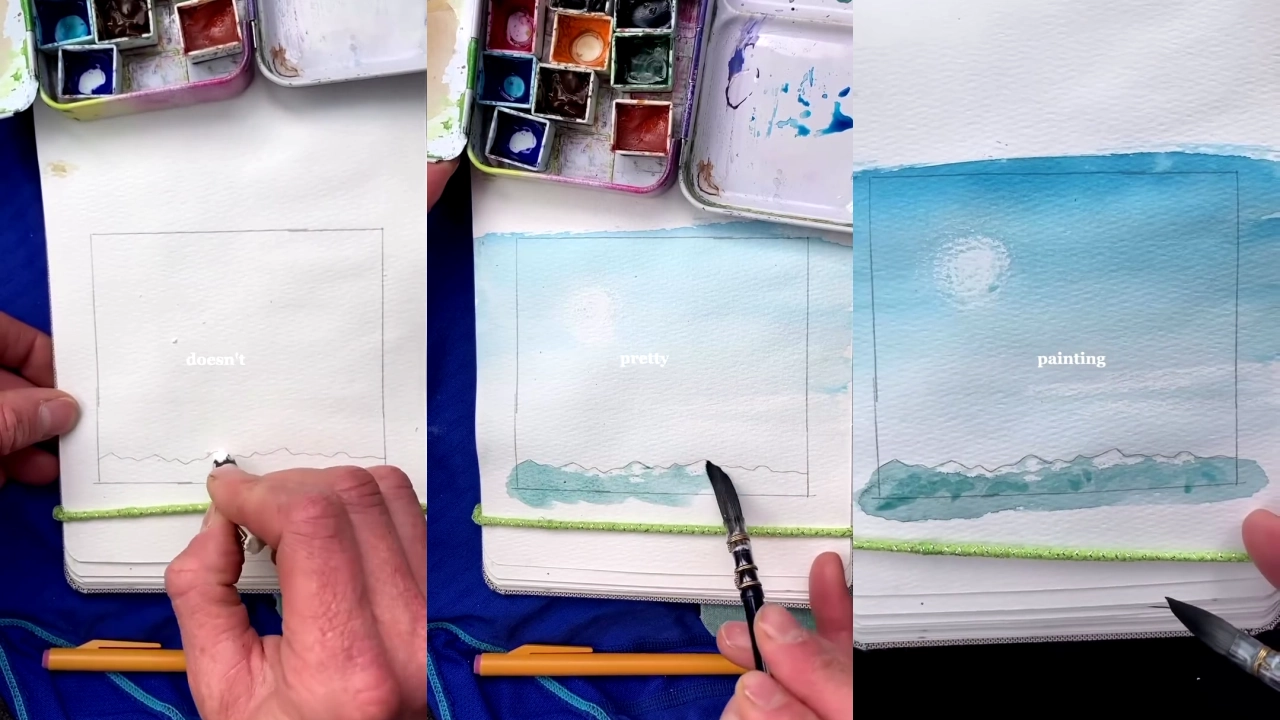
Next time you want to preserve small white highlights, like flower centers or light hitting an edge, try pressing a white crayon firmly onto that area before you paint. Once you've applied your watercolor over it, the wax will resist the paint and keep those spots white.
Want to Go Deeper?
This Quick Tip covers one way to preserve white in a painting. If you'd like to compare it with masking fluid and other methods for keeping areas white, this related guide covers it in more depth:
How to Use Masking Fluid in Watercolor: A Beginner's Guide
Ready to Build Your Watercolor Foundation?
If you're still exploring different ways to preserve whites and build your watercolor fundamentals, my Free Beginner Watercolor Class is a good next step.
👉 Join the Free Beginner Watercolor Class
If you're curious about my overall approach to teaching watercolor, you can find that on my about page.