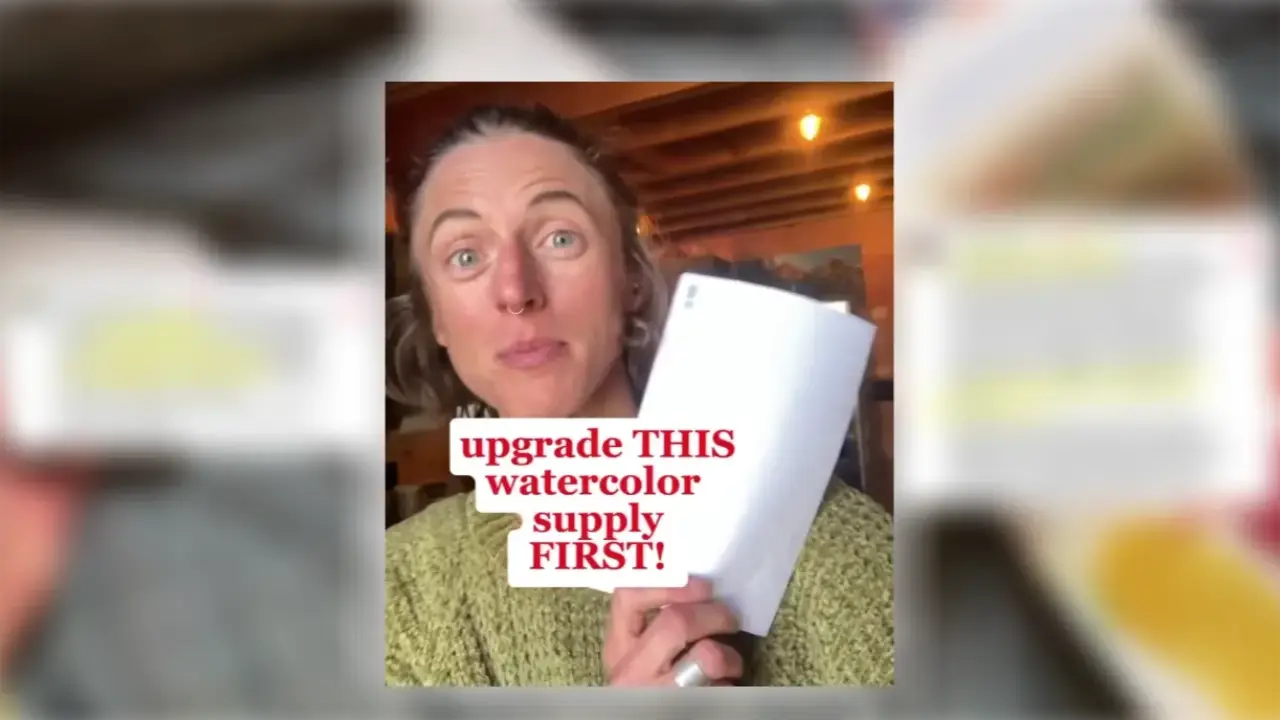
If you're upgrading your watercolor supplies one at a time, start with the paper. Cellulose paper is...
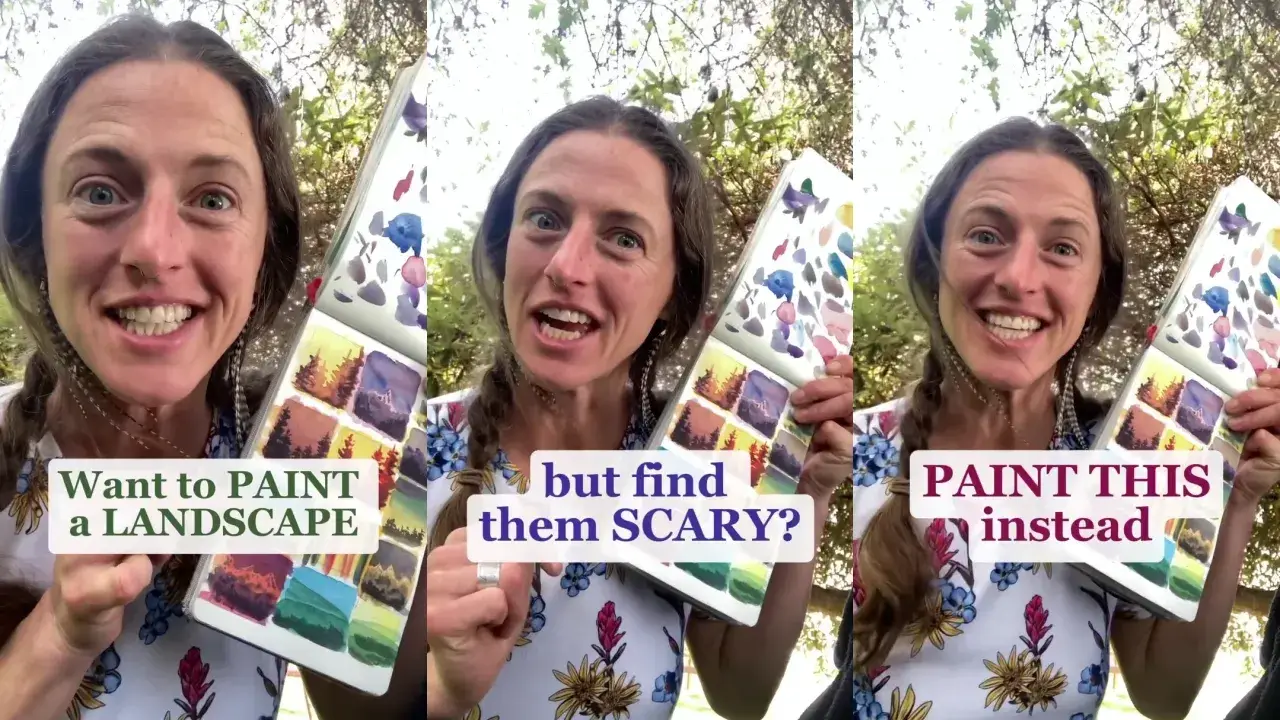
If you want to paint several landscapes but don't want to commit to a full painting for each one, tr...
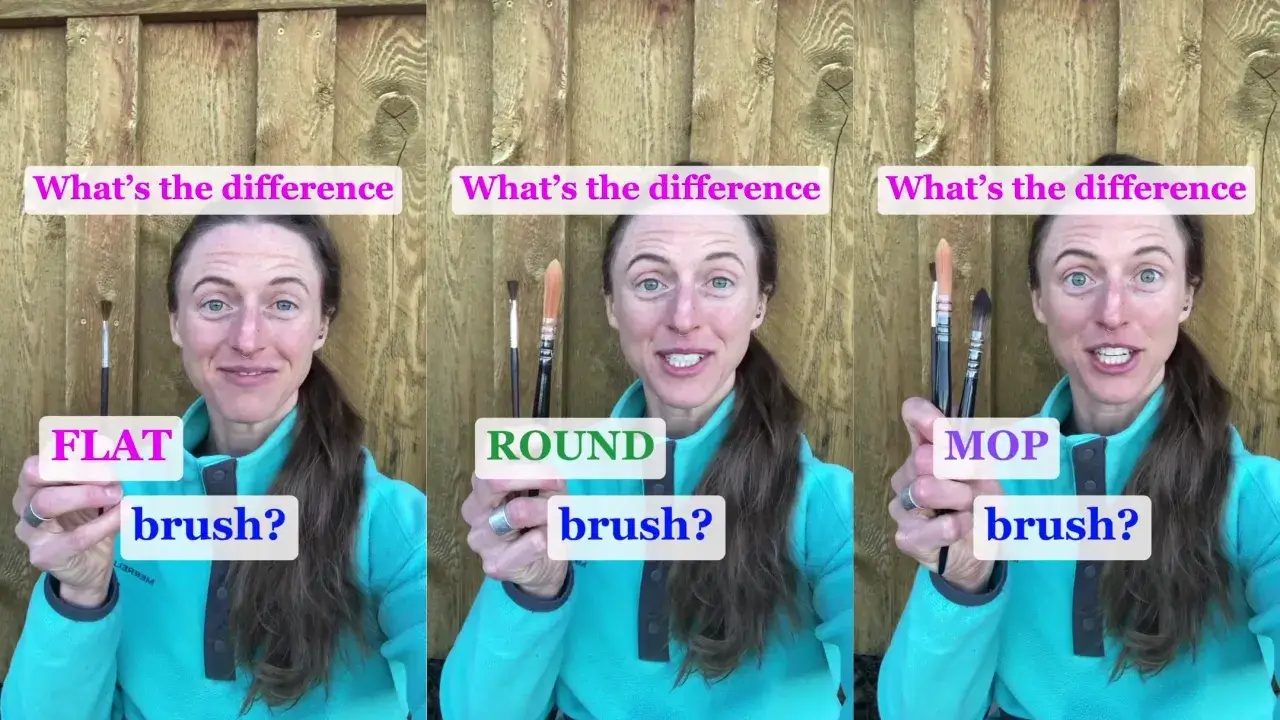
A flat brush makes flat edges, a round brush is the all-rounder, and a mop brush holds the most wate...
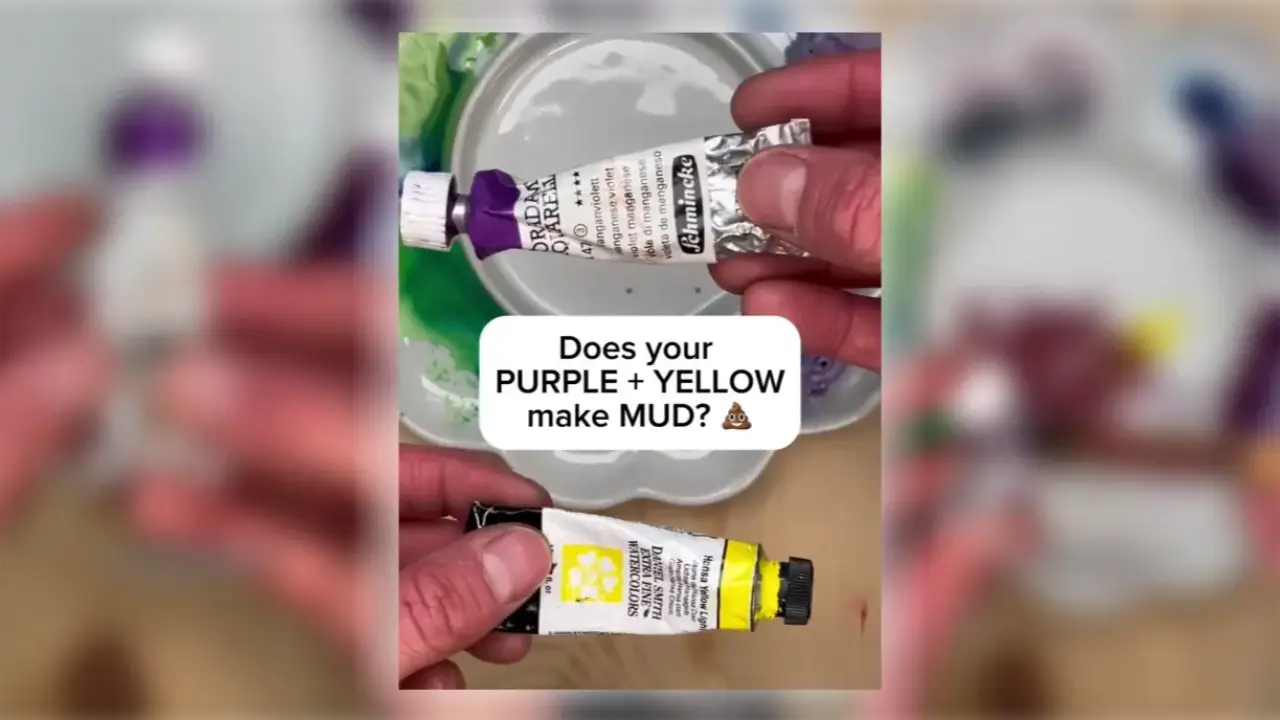
Purple and yellow are complements, so they should mute each other into a nice neutral gray when mixe...
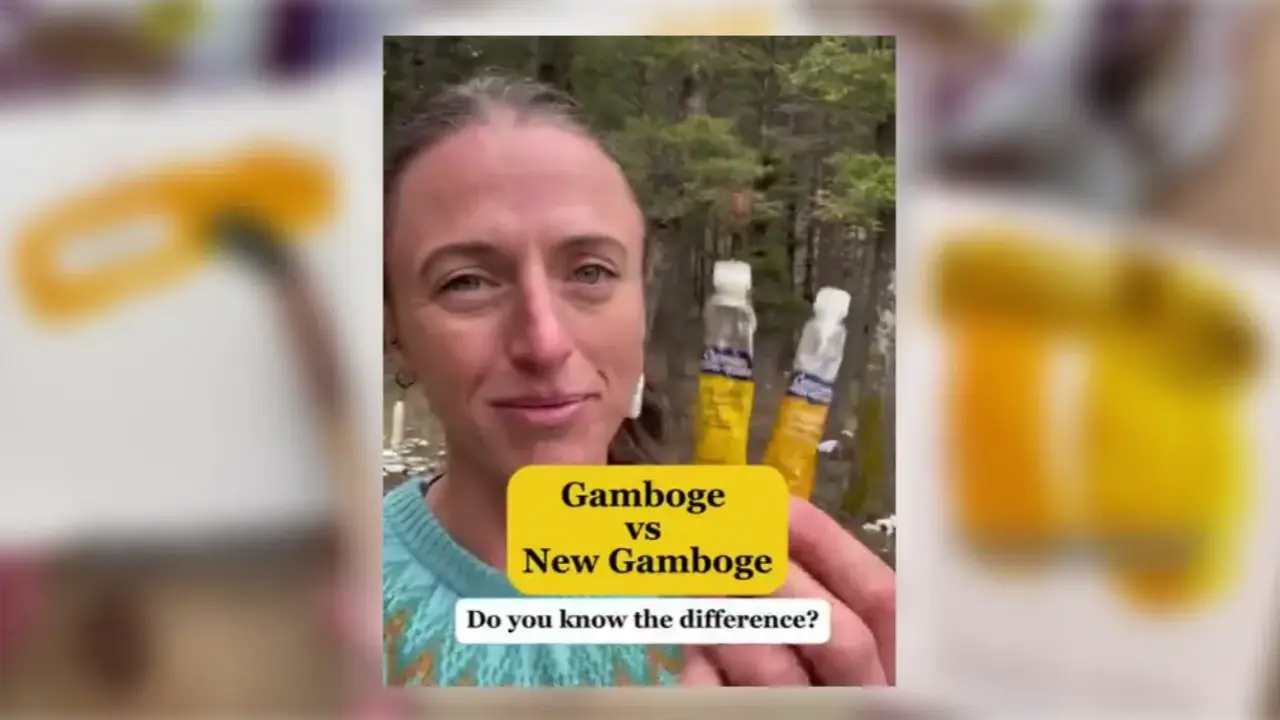
When a watercolor pigment name starts with "new," it typically means a modern synthetic formula that...

To paint alpenglow, start with a sky gradient that goes from blue to yellow to a little orange and t...
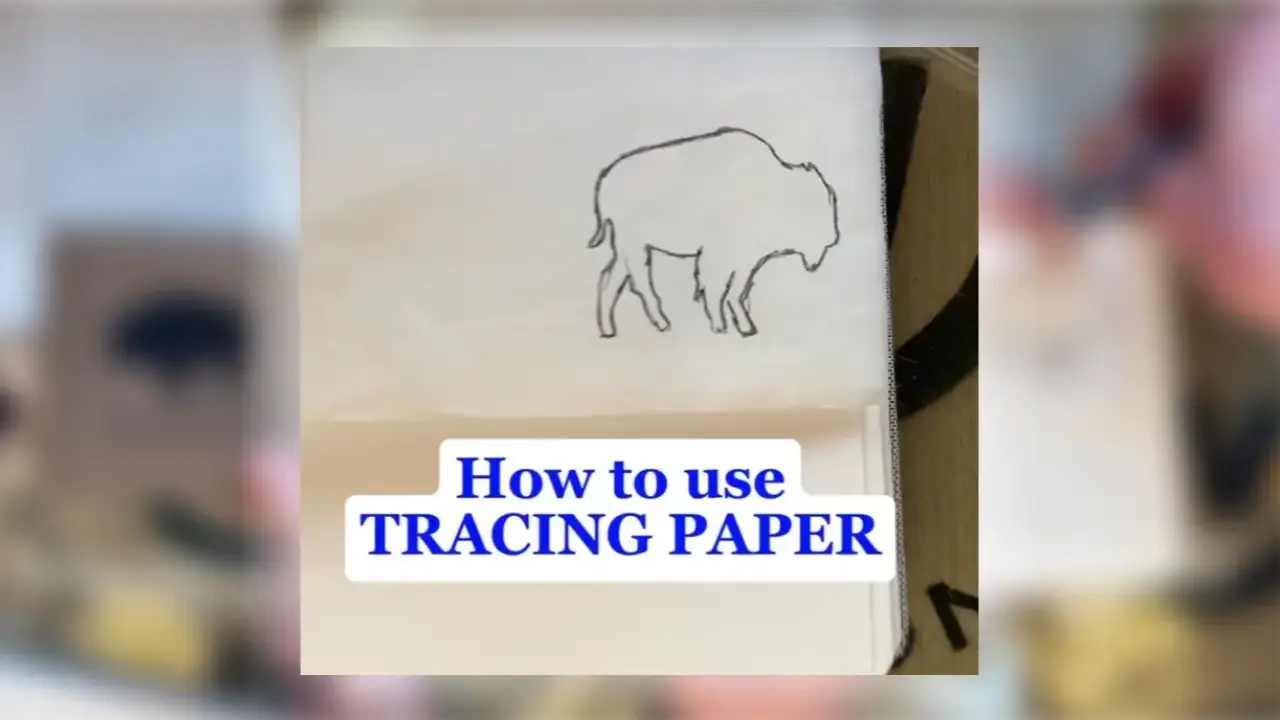
Tracing paper is an easy way to transfer an image onto watercolor paper before you paint. Outline th...

The one thing holding you back from painting what you want, as often as you want, is resistance. The...
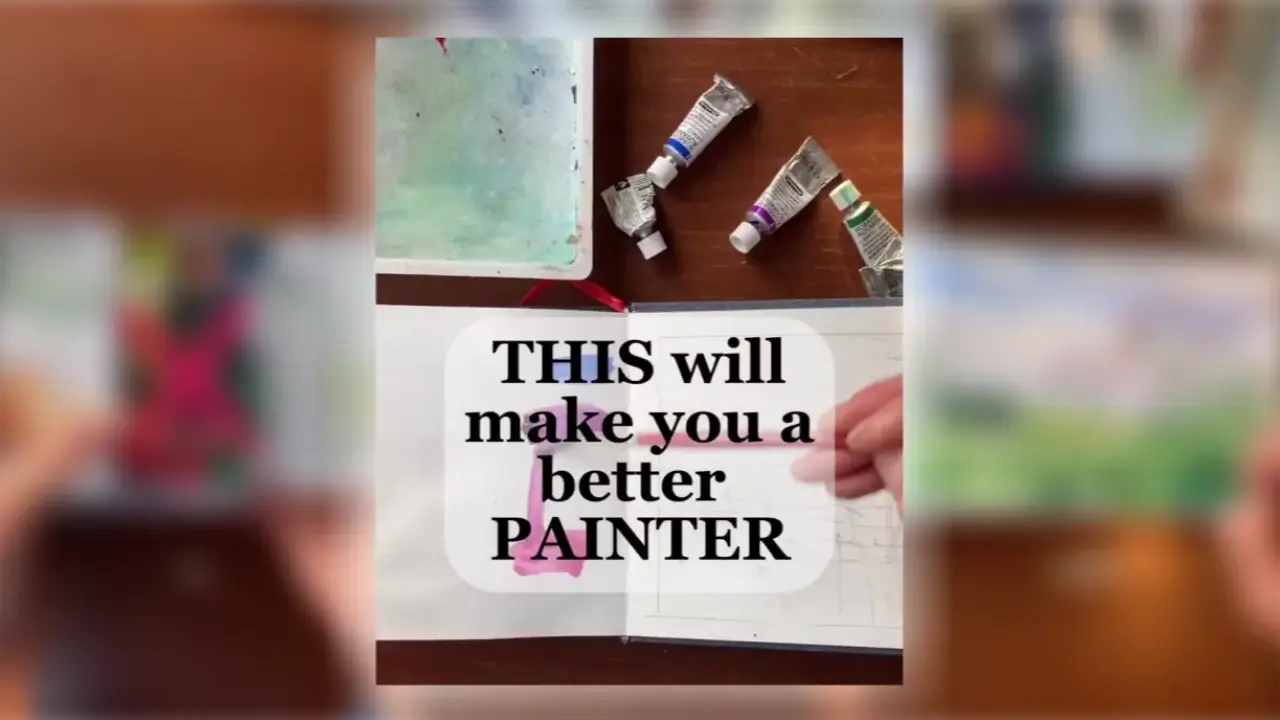
A limited color palette means using only a few colors to mix all of your other colors, instead of us...
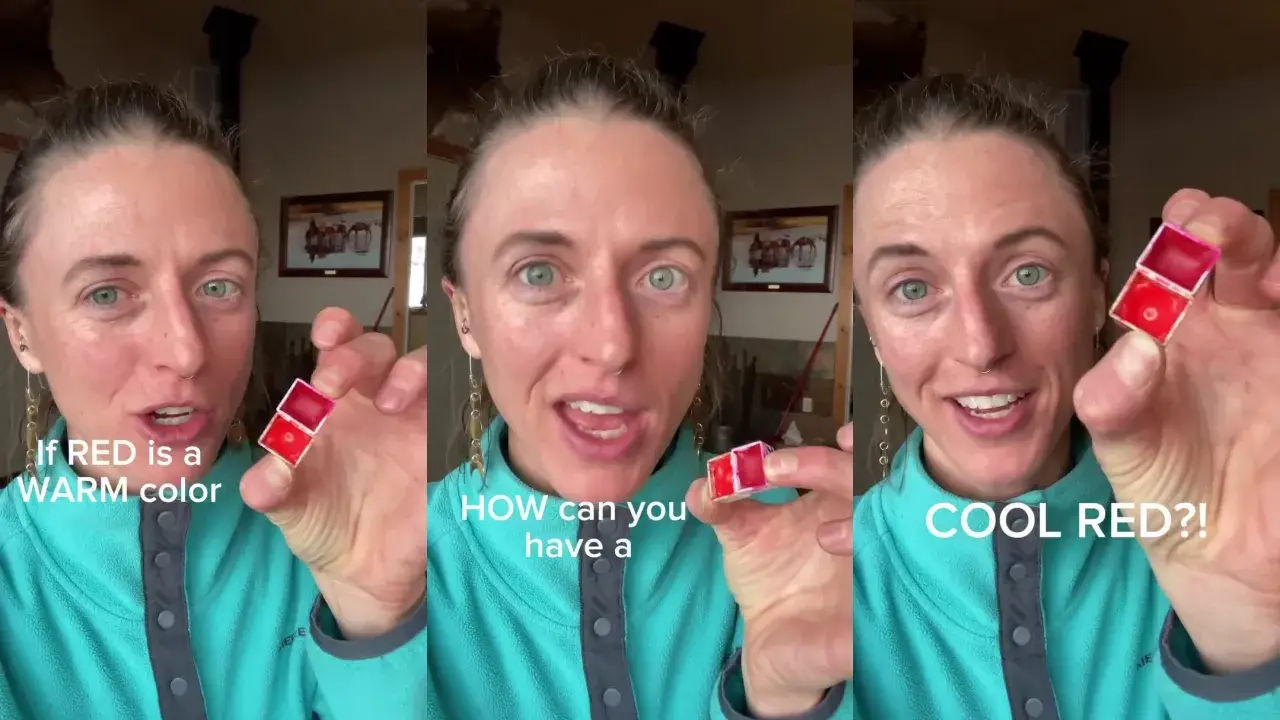
Red can be a cool color because every red has a color bias, a lean toward either warm or cool. Cadmi...
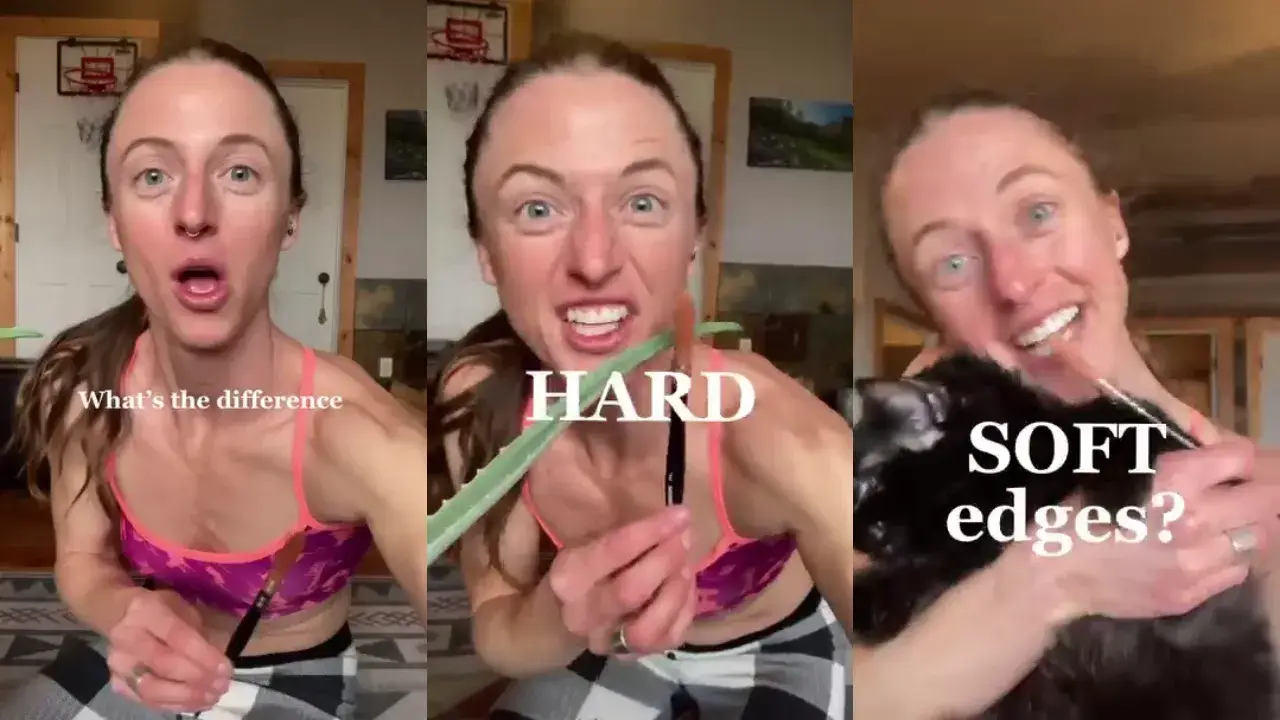
In watercolor, you get a hard edge by painting onto a dried underlayer, because nothing blends or bl...
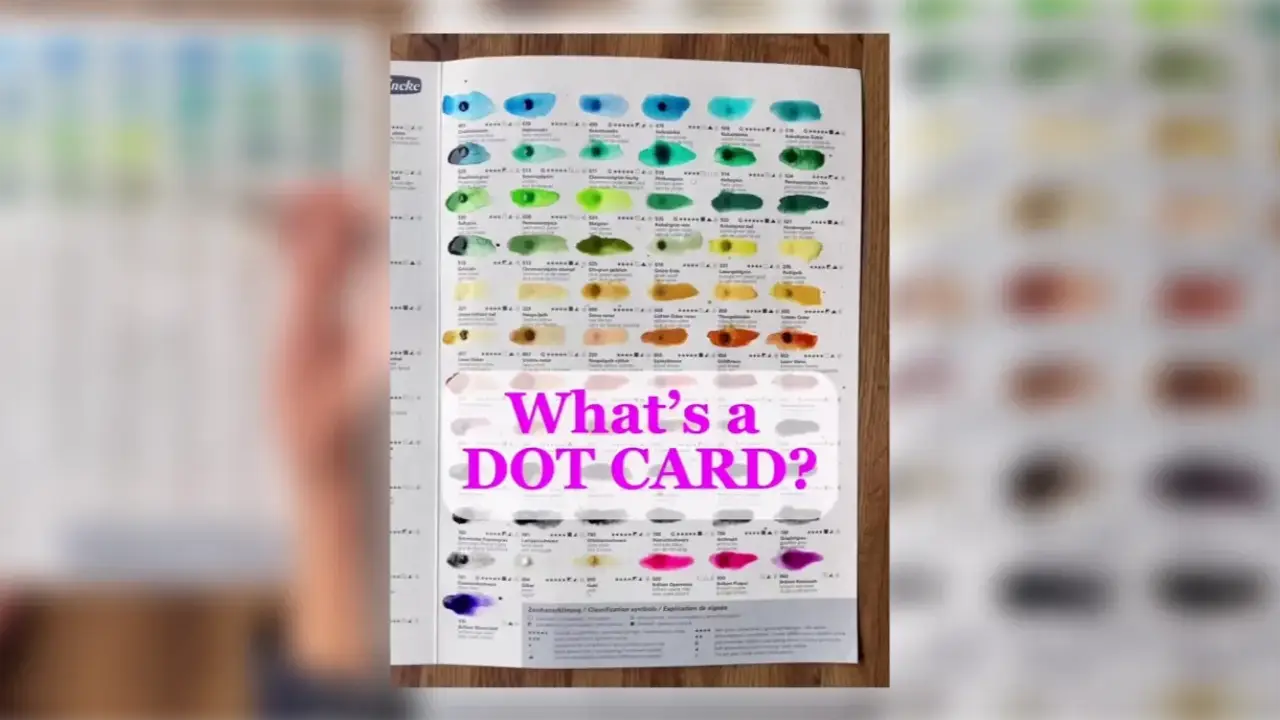
A watercolor dot card is a card put out by paint manufacturers showing a whole range of their colors...
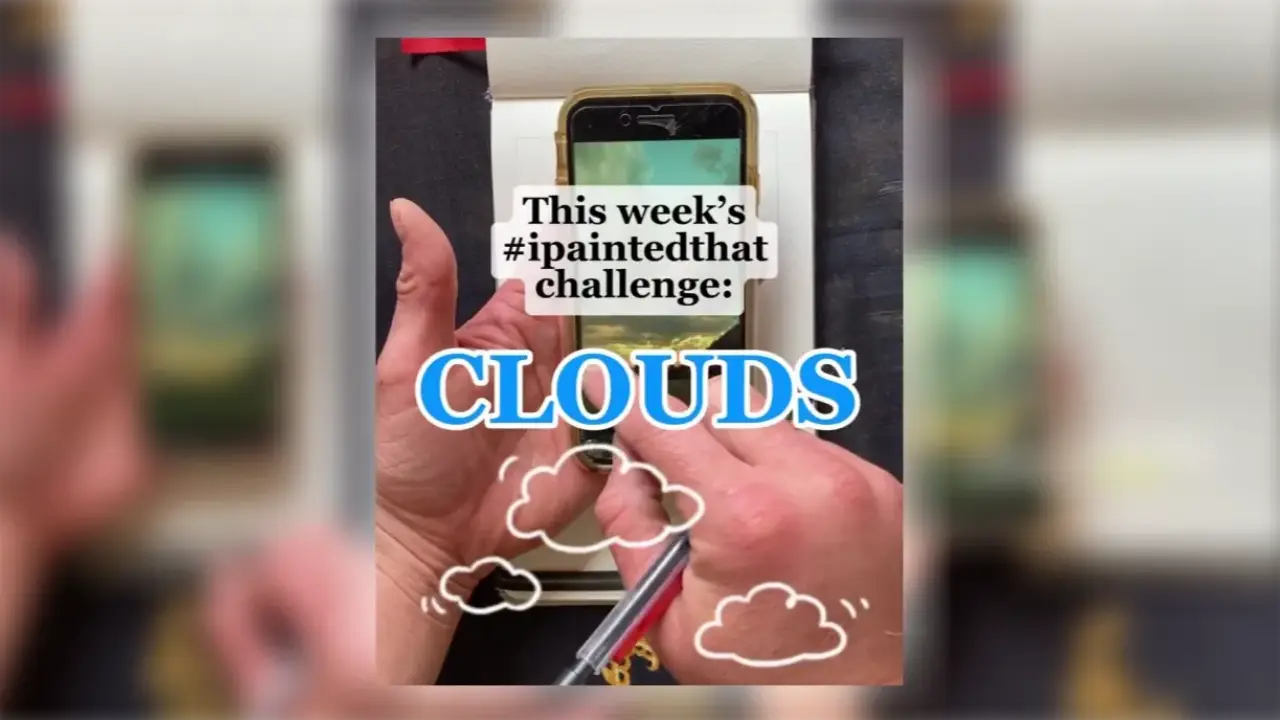
Clouds follow the same perspective rules as the rest of a landscape, getting smaller and thinner tow...
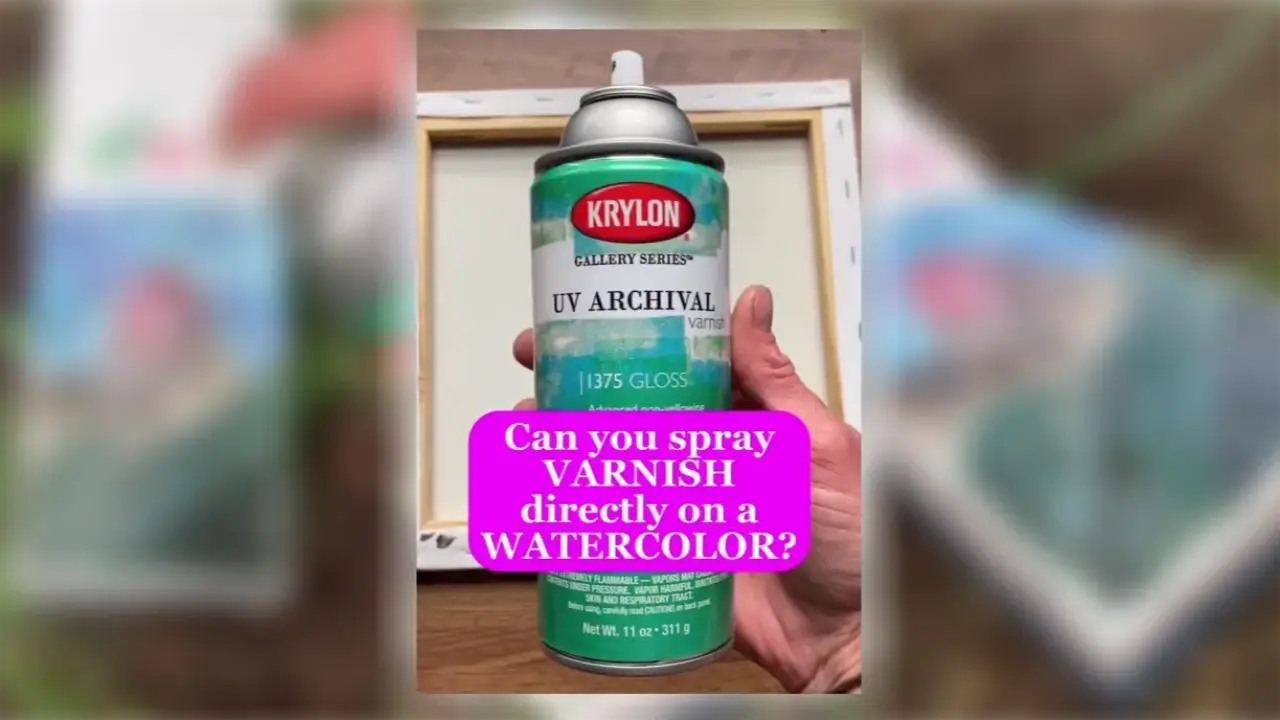
You can protect a finished watercolor painting by spraying UV archival varnish directly onto it once...
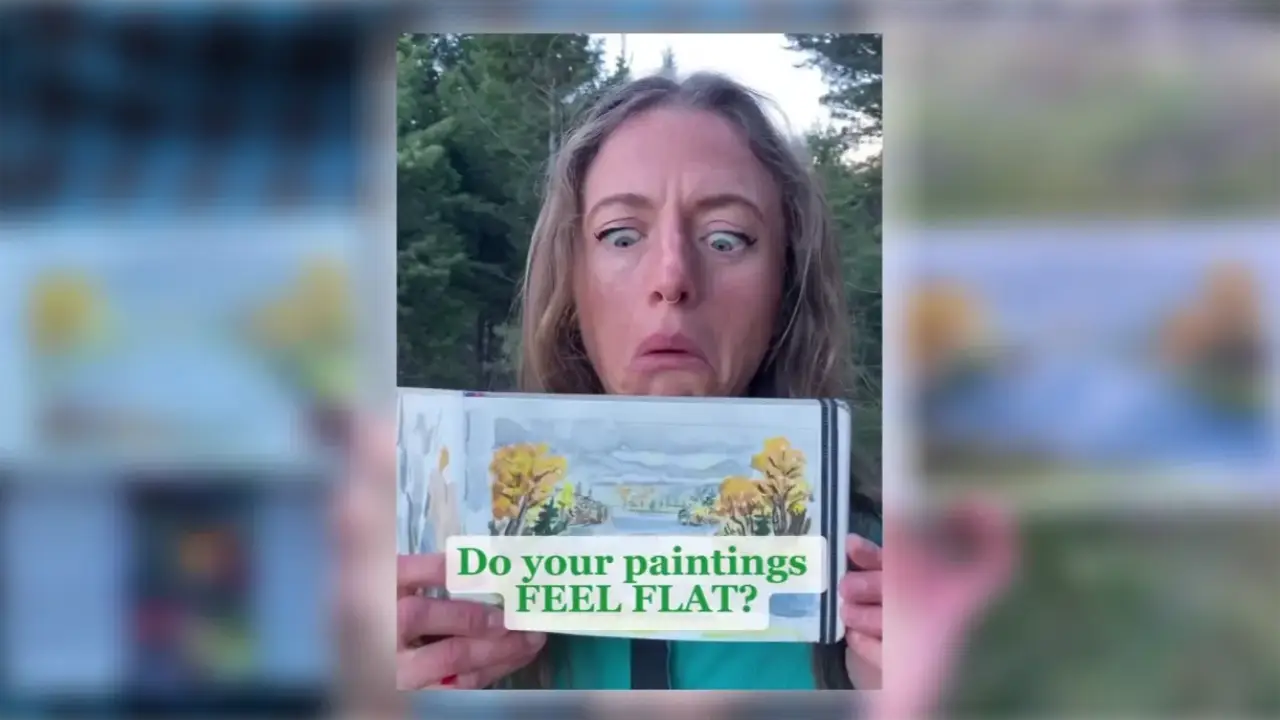
If a finished painting feels flat, it's usually because the foreground and background have the same ...